


 | Today's Date:




South Korea Expands Hormuz Patrol Mission With P-8A Aircraft and Mine Team
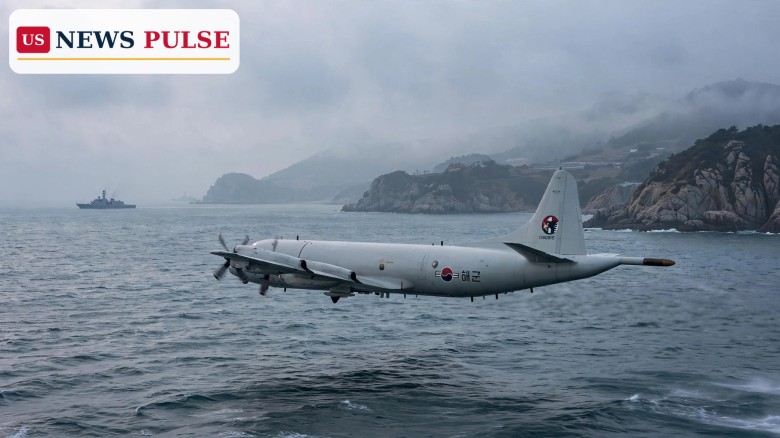
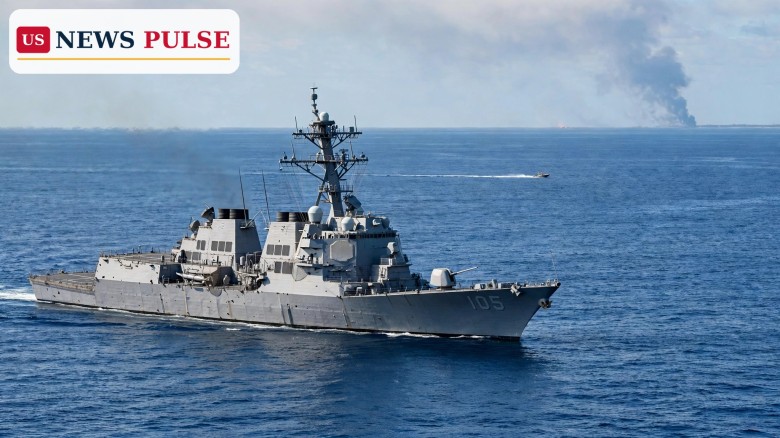
South Korea will expand its anti-piracy naval mission toward the Strait of Hormuz, sending a P-8A maritime patrol aircraft, a mine-clearing team and 75 additional personnel to waters south of Oman in its first contribution to the conflict-stricken region since the United States-Iran war began in February 2026. The defence ministry announced the plan on Thursday, November 5, 2026, stressing that the expanded mission will remain non-combat, operate under independent South Korean command and stay out of Iranian territory, Iranian waters and the interior of the strait itself.
The decision extends the operating area of the Cheonghae unit, which has patrolled the Gulf of Aden since 2009, roughly doubling its radius to about 1,930 kilometres and raising its strength from 320 to 395 personnel. The revised mandate still needs Cabinet approval next week and then National Assembly approval, and would run through December 31, 2027, replacing a mandate that expires at the end of 2026.
Key Points
- South Korea's Cheonghae anti-piracy unit will expand from the Gulf of Aden to waters south of Oman, near the Strait of Hormuz.
- The expansion adds a P-8A patrol aircraft, an explosive ordnance disposal team, unmanned surface and underwater vehicles, remotely operated vehicles and 75 personnel, bringing the unit to 395.
- Operations are limited to open waters south of Oman; the P-8A is barred from targeting or monitoring Iranian territory, territorial waters or the interior of the strait.
- Seoul says the mission is non-combat and under independent South Korean command, aimed at protecting its nationals and shipping.
- Any future mine-clearing inside the strait itself would need a permissive environment, such as an end to hostilities, plus separate parliamentary approval.
What Happened
South Korea's defence ministry said on Thursday that the Cheonghae unit's operational area will be extended from the Gulf of Aden to waters south of Oman, close to the Strait of Hormuz, the narrow waterway through which a large share of the world's seaborne oil passes. Decided at a vice-ministerial meeting, it is the first time Seoul has contributed forces to the region since the United States-Iran war began on February 28, 2026.
Alongside the P-8A aircraft and the explosive ordnance disposal team, the unit will gain unmanned surface and underwater vehicles and remotely operated vehicles, giving it new tools to watch shipping lanes and deal with explosive hazards at sea. The unit will continue to operate out of Djibouti, and consultations will begin once the parliamentary process starts.
The ministry was explicit about the limits of the new mission. Operations are restricted to open waters south of Oman, and the P-8A is prohibited from targeting or monitoring Iranian territory, Iranian territorial waters or the interior of the strait. Seoul frames those limits as essential to its protective, non-combat character.
Background: The Cheonghae Unit and the Hormuz Crisis
The Cheonghae unit is one of South Korea's longest-running overseas deployments. Dispatched to the Gulf of Aden in 2009 to protect shipping from Somali piracy, it has escorted merchant vessels and worked alongside multinational naval forces. Its expansion toward Hormuz builds on nearly two decades of anti-piracy experience.
The context, however, has changed sharply. The Strait of Hormuz, between Iran and Oman, has become one of the most contested waterways in the world since the war began. Tankers have caught fire and vessels have struck mines. South Korea, heavily dependent on imported energy, has a direct interest in keeping the waterway open, since much of its oil and liquefied natural gas arrives by sea through or near the strait.
South Korea Strait of Hormuz Mission: What Changes on the Water
The most visible change will be in the air. The P-8A is a long-range maritime patrol aircraft designed to watch large areas of ocean, track vessels and gather information from altitude. Its addition gives the Cheonghae unit eyes far beyond what its ships alone can provide, and it roughly doubles the area the unit can meaningfully cover, to a radius of about 1,930 kilometres from its base.
The mine-clearing capability matters just as much. Mines have become a central hazard around the strait, and the new disposal team, with unmanned vehicles, gives South Korea a way to deal with explosive devices without immediately risking divers or ships. For now, though, that capability is confined to the open waters south of Oman; clearing mines inside the strait itself would require both a calmer security environment and a second parliamentary decision.
Reactions and Official Positions
South Korea's defence ministry presented the expansion as a protective measure, emphasising that the mission is non-combat, that it remains under independent South Korean command and that its purpose is to protect South Korean nationals and shipping. The ministry also made clear that the P-8A will not target or monitor Iranian territory, Iranian territorial waters or the interior of the strait, a limit designed to prevent the mission from being read as participation in the war.
The ministry added that any future mine-clearing inside the strait would need a permissive environment, such as an end to hostilities, as well as separate parliamentary approval, setting a high bar for any further step. No detailed public reaction from Iran, the United States or other regional governments had been reported at the time of the announcement. The next milestones are the Cabinet decision next week and the National Assembly debate that follows.
Why It Matters
The Strait of Hormuz is one of the world's great chokepoints. Disruption there pushes up oil prices, raises shipping and insurance costs and ripples through economies far from the Gulf, including South Korea's export-driven economy. A decision by Seoul to move forces closer to the strait is therefore not only a military step but an economic signal: one of Asia's largest energy importers is now willing to put assets in the region to protect its supply lines.
What Happens Next
The revised mandate goes to Cabinet next week, and then to the National Assembly, which must approve it before the current mandate expires on December 31, 2026. Lawmakers will examine the mission's geographic limits, its rules of engagement and the conditions for any future mine-clearing inside the strait. If approved, the mandate would run through December 31, 2027, and the P-8A, the disposal team and the additional personnel would deploy to the region, operating from Djibouti across the enlarged area.
Frequently Asked Questions
What is the Cheonghae unit? South Korea's anti-piracy naval unit, in the Gulf of Aden since 2009. The expansion extends its area toward Hormuz.
What new assets is South Korea sending? A P-8A aircraft, a disposal team, unmanned vehicles and 75 more personnel, bringing the unit to 395.
Will South Korean forces operate inside the Strait of Hormuz? No. Operations are limited to open waters south of Oman, excluding Iranian territory, waters and the strait interior.
When does the expanded mission take effect? Cabinet next week, then the National Assembly. If approved, it runs to December 31, 2027; the current mandate expires December 31, 2026.
Why does South Korea care about Hormuz? Much of its seaborne energy imports pass through or near the strait, so disruption hits its economy directly.
Related coverage: Strait of Hormuz fishing boats attack and Trump on the Iran war.
Leave a Comment