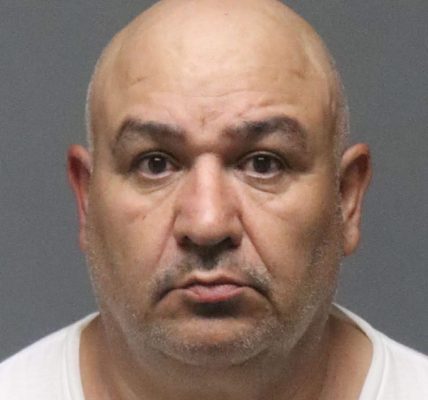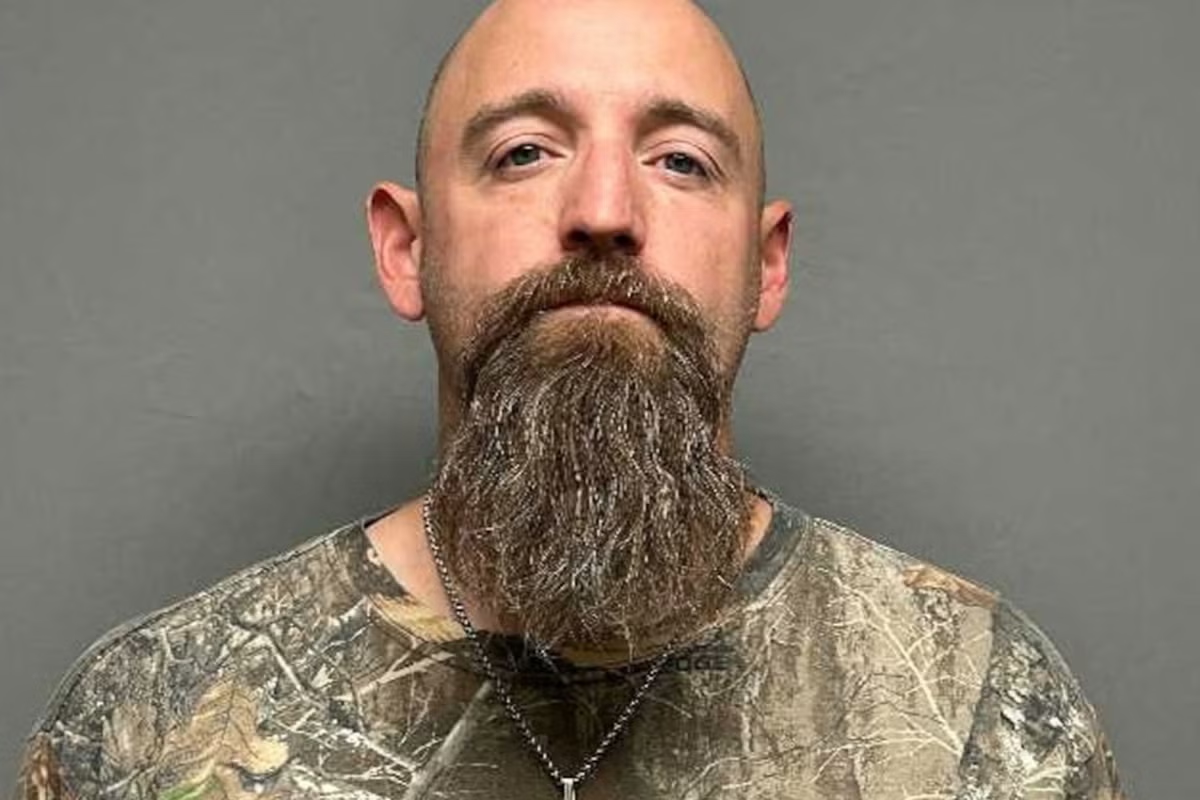
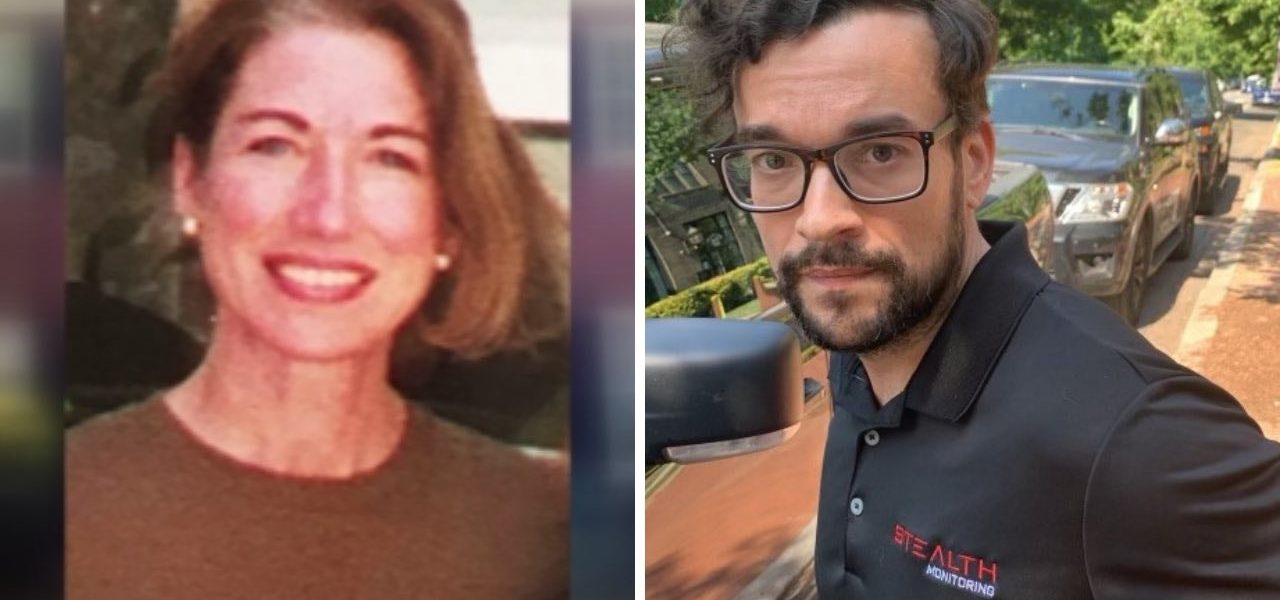
Chevy Chase, Maryland — Leslie Preer, a 49-year-old mother and wife from the affluent Chevy Chase suburb of Washington, D.C., was found murdered in her home on May 9, 2001

Chevy Chase, Maryland — Leslie Preer, a 49-year-old mother and wife from the affluent Chevy Chase suburb of Washington, D.C., was found murdered in her home on May 9, 2001. Her death, resulting from blunt force trauma and strangulation, left the community in shock and the case unsolved for over two decades. Despite initial suspicions, including a focus on her husband, Carl “Sandy” Preer, the investigation yielded no conclusive leads.
The breakthrough in the case came in 2022 when detectives from Montgomery County’s cold case unit revisited the evidence. Utilizing advanced forensic techniques, including genetic genealogy, they identified male DNA under Leslie Preer’s fingernails that did not match any known suspects. This discovery led investigators to Eugene Teodor Gligor, who had once dated Leslie’s daughter, Lauren Preer, during high school. Gligor’s DNA was obtained through a discarded water bottle at Washington Dulles International Airport, confirming his presence at the crime scene. (Bethesda Magazine)
In May 2025, Gligor, now 45 years old, pleaded guilty to second-degree murder. During the sentencing in August 2025, he was sentenced to 22 years in prison, with a maximum sentence of 30 years partially suspended. The court also imposed five years of supervised probation upon his release and mandated mental health treatment. Gligor expressed remorse for his actions, attributing the crime to a combination of alcohol and cocaine use at the time, though he offered no clear motive. (FOX 5 DC)
The case marked a significant achievement in the use of forensic genealogy in criminal investigations. It was the first time Maryland police had solved a murder using familial DNA, a technique that has since been adopted in other jurisdictions. The success of this approach has been hailed as a model for solving cold cases and has prompted discussions about the ethical implications of using genetic information in law enforcement. (Bethesda Magazine)
Leslie Preer’s family, particularly her daughter Lauren, expressed a mix of relief and sorrow following the resolution of the case. Lauren described the revelation of Gligor’s involvement as “unreal,” grappling with the betrayal by someone who had been close to the family. The emotional impact of the murder and the subsequent years of uncertainty have left lasting scars, but the conviction provided a sense of justice. (People.com)
The community of Chevy Chase, once shaken by the brutal crime, has slowly begun to heal. The case has underscored the importance of persistence in law enforcement and the potential of modern technology to bring closure to long-unsolved cases. While the pain of loss remains, the conviction has offered a semblance of justice and a reminder of the resilience of those affected by such tragedies.
In the years since the murder, Leslie Preer’s legacy has lived on through her family and the community she was a part of. She was known for her kindness and dedication, leaving an indelible mark on those who knew her. Her story serves as a testament to the enduring pursuit of justice, even when faced with seemingly insurmountable obstacles.
As the legal proceedings conclude, the focus now shifts to the ongoing healing process for the Preer family and the community. The case has highlighted the need for continued advancements in forensic science and the ethical considerations surrounding the use of genetic data in criminal investigations. It also serves as a reminder of the importance of community support and the role it plays in the pursuit of justice.
While the resolution of Leslie Preer’s murder brings a sense of closure, it also opens up broader conversations about privacy, technology, and the future of criminal investigations. The use of genetic genealogy has proven to be a powerful tool, but it also raises questions about consent and the potential for misuse. As technology continues to evolve, so too must the frameworks that govern its application in law enforcement.
The legacy of Leslie Preer lives on, not only through the justice served but also through the lessons learned from this case. It stands as a reminder of the importance of perseverance, the potential of modern science, and the enduring human spirit in the face of tragedy.