FBI warns stolen social media images being used as ‘proof of life’ in fake kidnapping scams

The FBI has issued a warning to Americans that online criminals are increasingly stealing photos and videos found on social media to use as fake “proof of life” images in virtual kidnapping scams.
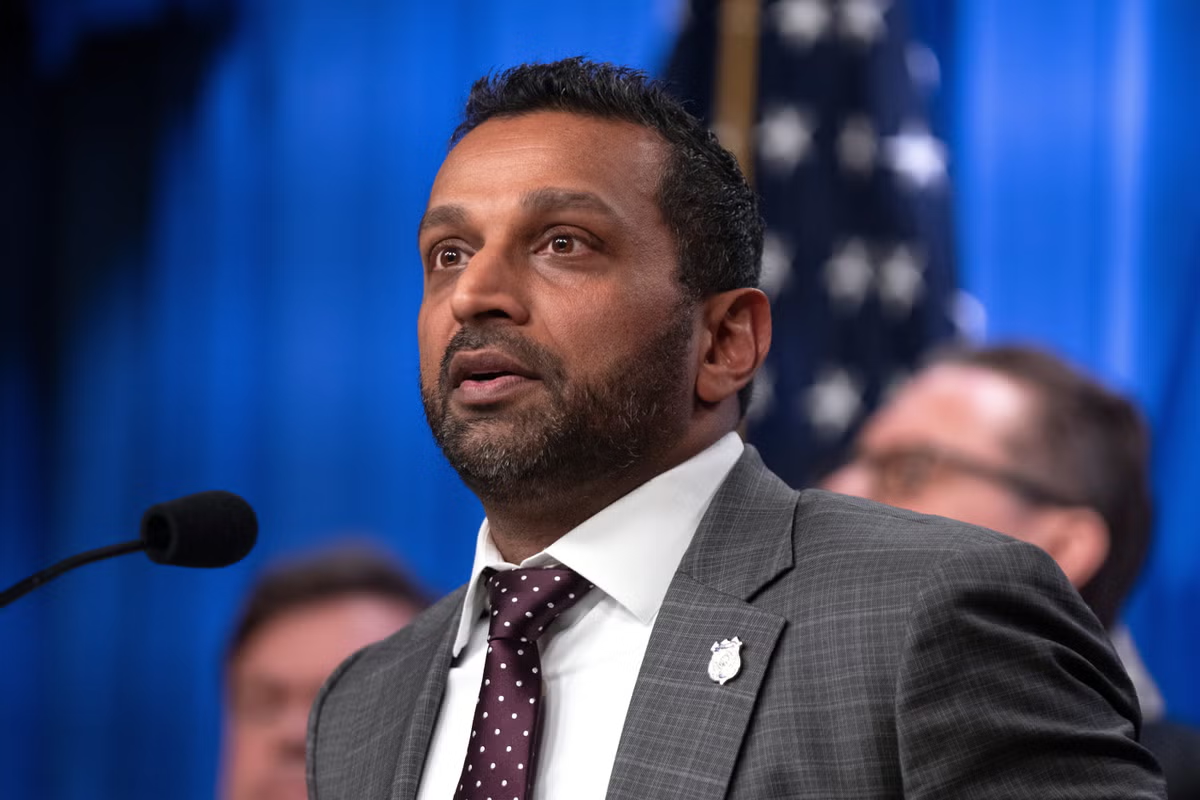
The agency, led by Kash Patel, advises the public to agree on a code word with family members or friends to use for authentication if suspicious messages are received.
According to the public service announcement issued by the bureau this month, bad actors are posing as criminals and sending out text messages and emails to targets falsely claiming to have taken a loved one hostage and making ransom demands in exchange for their release, using the stolen media harvested from sites like Instagram to make their story appear more plausible.
“Criminal actors typically will contact their victims through text message claiming they have kidnapped their loved one and demand a ransom be paid for their release,” the agency explains in its warning.
“Oftentimes, the criminal actor will express significant claims of violence towards the loved one if the ransom is not paid immediately. The criminal actor will then send what appears to be a genuine photo or video of the victim’s loved one, which upon close inspection often reveals inaccuracies when compared to confirmed photos of the loved one.
“Examples of these inaccuracies include missing tattoos or scars and inaccurate body proportions. Criminal actors will sometimes purposefully send these photos using timed message features to limit the amount of time victims have to analyze the images.”
In addition to using code words, the FBI advises people to be wary of scammers when posting information about real people online, particularly in missing-person cases, which can attract bad-faith approaches.

The bureau also advises the public to look out for messages that push a “false sense of urgency,” which can be a telltale sign of a scam, and to attempt to contact loved ones mentioned in any such approach before paying for their release.
You should also take screenshots of any questionable texts or emails, and avoid sharing personal information with strangers when travelling.
The agency adds that anyone who believes a virtual kidnapping scam is targeting them should report it immediately to the FBI Internet Crime Complaint Center via its website, providing as much information as possible, including phone numbers, email addresses, payment information, and any audio or text communications received.
Online crime is an increasingly important area for the FBI, with the bureau announcing earlier this month that it had arrested five men who were part of “Greggy’s Cult,” a blackmail gang accused of using extortion threats to bully young gamers into performing degrading and sexually explicit acts on web cameras.