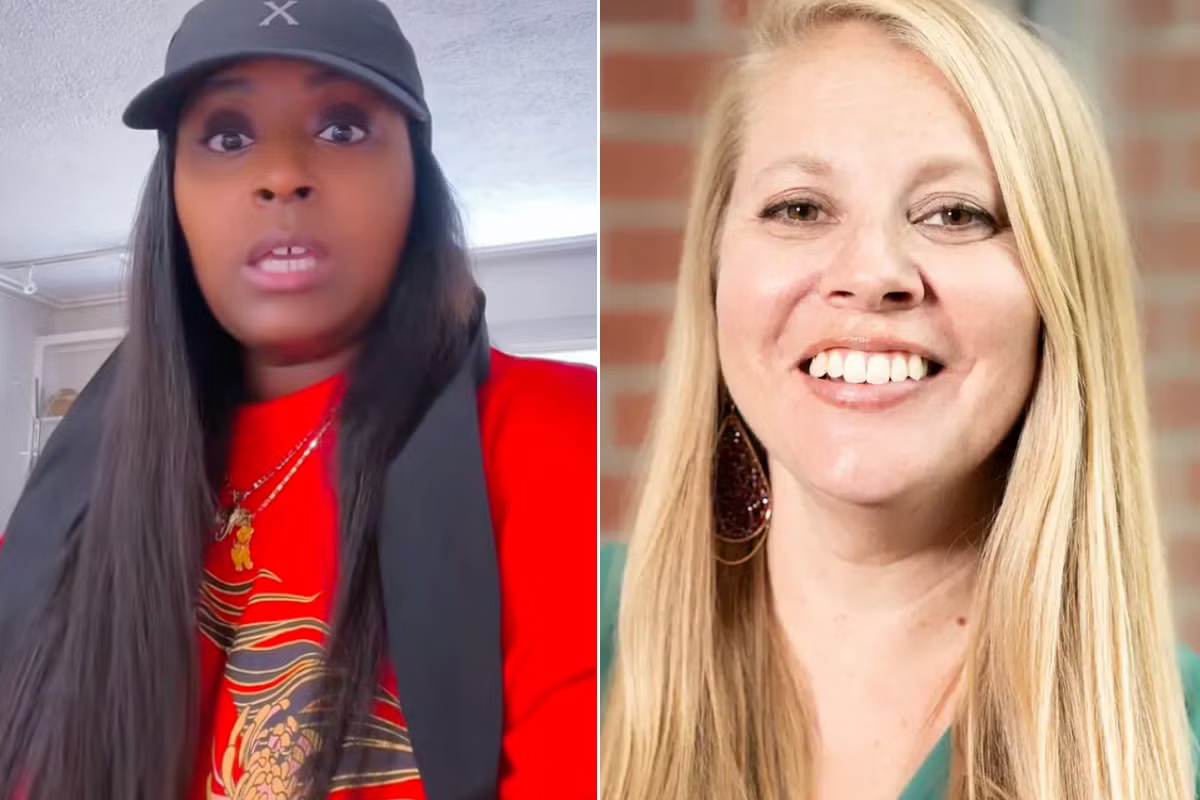
TikTok tarot influencer must pay $10M to professor over false University of Idaho murder claims

A TikTok influencer who falsely accused a University of Idaho professor of being involved in the 2022 slayings of four college students has been ordered to pay her $10 million in damages.
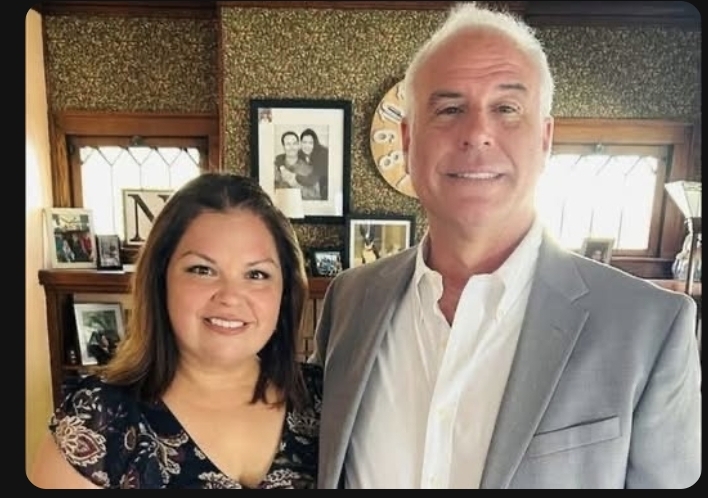
A federal jury in Boise deliberated for less than two hours on Friday before finding Ashley Guillard liable for defamation and awarding damages to history professor Rebecca Scofield, who testified that the online accusations shattered her mental health, career, and reputation.
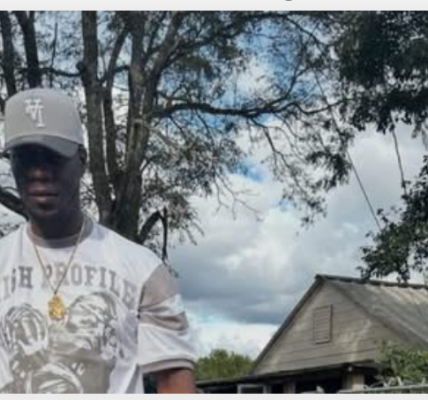
Guillard, 41, had built a following online theorizing about high-profile cases through what she described as “spiritual intuition,” often using Tarot cards.
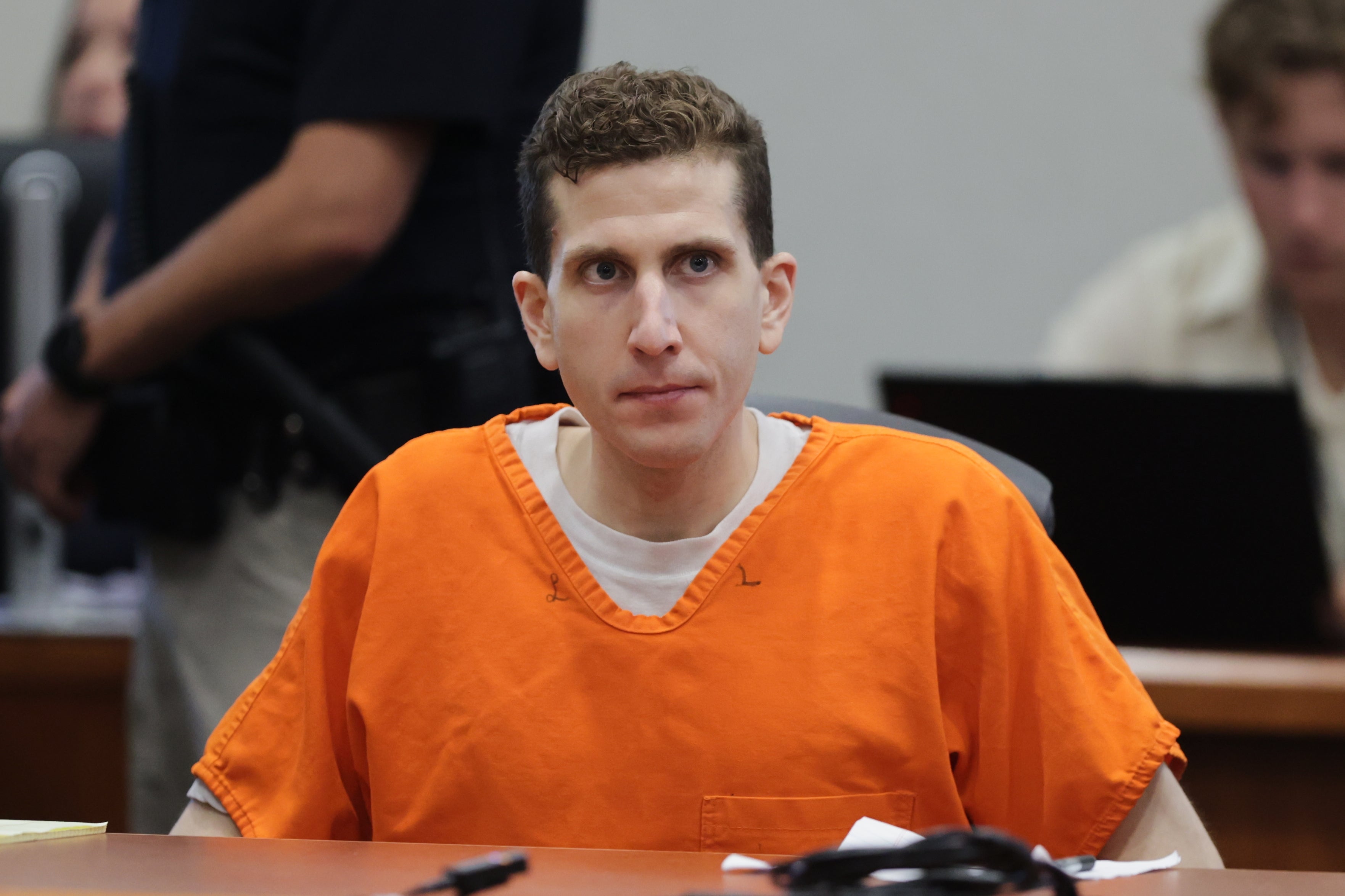
In a series of TikTok videos just after the November 2022 murders, she repeatedly claimed that Scofield was linked to the stabbing deaths of the four University of Idaho students, despite Bryan Kohberger being arrested six weeks later. In July 2025, Kohberger plead guilty to the murders of Ethan Chapin, 20, Madison Mogen, 21, Xana Kernodle, 20, and Kaylee Goncalves, 21, and was sentenced to life in prison.
In the videos, which continued until 2025, Guillard also alleged that Scofield had been romantically involved with one of the victims and ordered the killing when the student threatened to expose the relationship. She posted Scofield’s photo and personal information online without evidence, The Idaho Statesman reported.
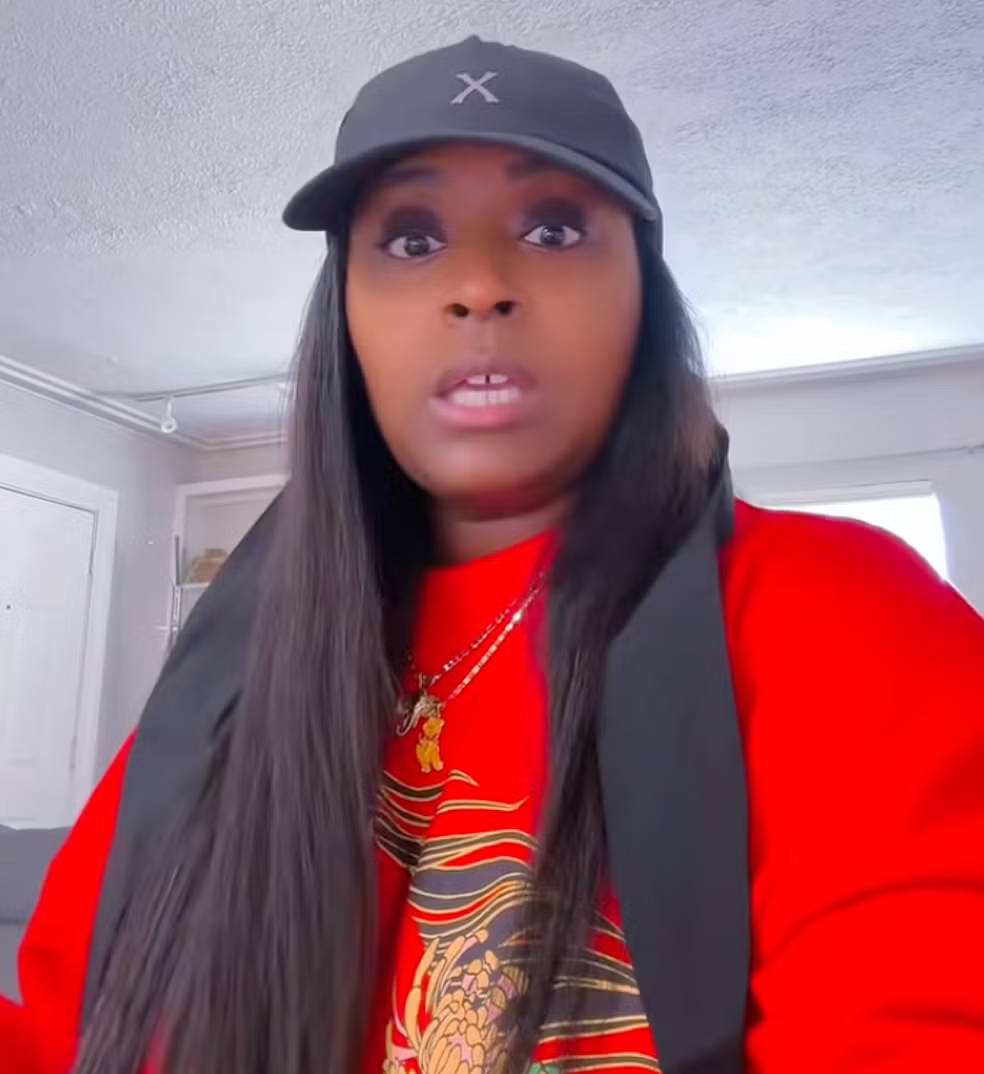
In December 2022, Scofield filed a defamation lawsuit. But court records show Guillard continued posting videos even after receiving cease-and-desist letters and after Moscow police publicly stated Scofield was not a suspect.
In June 2024, Guillard’s statements were ruled defamatory by Chief U.S. Magistrate Judge Raymond Patricco, who found that they were based “only” on her “spiritual intuition” and not on “any objective basis.”
The most recent trial, which lasted four days and ended on Friday, focused solely on determining damages.
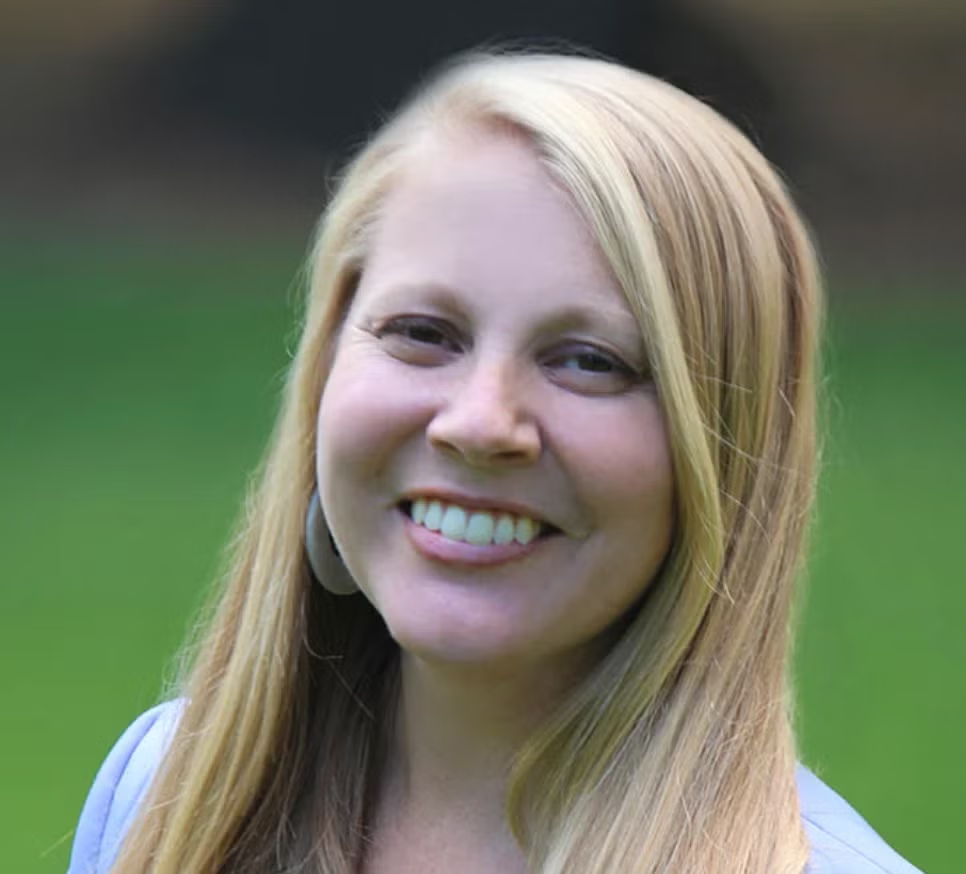
Scofield testified that the accusations caused severe anxiety, PTSD, and nerve pain throughout her body, making it difficult for her to work as chair of the University of Idaho’s history department. She said she and her family avoided a vigil for the victims out of fear and felt cut off from their own community.
“There was a moment where it felt like I lost ownership of my face and my name, and it was no longer stitched to my body,” Scofield told jurors during the trial. “It was utterly terrifying.”
Guillard represented herself at trial and called only one witness – herself.
She told jurors she believed she had psychic abilities and learned tarot reading through YouTube videos, numerology, and self-study. She said she began posting videos to raise awareness and push authorities to investigate possible leads.
“I kind of lost a little bit of hope that she would be investigated, but something in me wouldn’t allow me to give up,” Guillard testified.
Guillard acknowledged she made more than 100 videos about the case, continuing until August 2025, after Kohberger had already pleaded guilty to the murders.
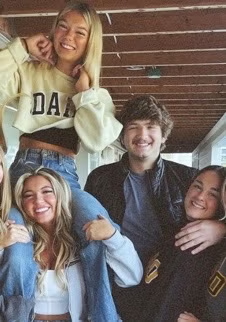
More than three years after the murders, and seven months after Kohberger was sentenced, Scofield confronted Guillard in federal court.
“You spoke lies into a camera, about me and my husband,” Scofield told Guillard from the witness stand. “You were making (dozens) of videos about me, someone you never met, you never talked to, someone you had no connection to. I don’t know how anyone could not feel threatened by that level of interest from someone they had never met.”
At the end of the trial, Scofield was awarded $6.5 million for false accusations related to the murders and $3.5 million for claims of an inappropriate relationship with a student. Most of the award, $7.5 million, was punitive damages meant to punish Guillard and deter similar conduct from others in the future. The remaining amount covered medical costs and emotional distress.
“The $10 million verdict reinforces the judge’s decision and sends the clear message that false statements online have consequences in the real world for real people and are unacceptable in our community,” Scofield said in a statement to PEOPLE after the verdict.
“The murders of the four students on November 13, 2022, was the darkest chapter in our university’s history. Today’s decision shows that respect and care should always be granted to victims during these tragedies.”