
Al Mayeda LNG Tanker Attack Near Hormuz Draws Qatar Condemnation on Sunday
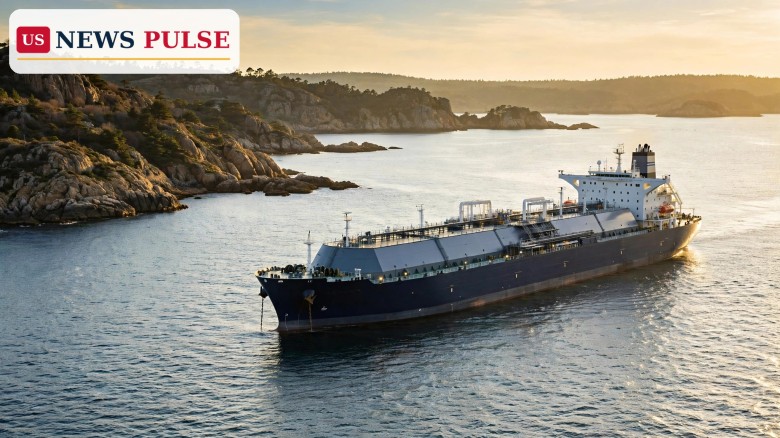
The Al Mayeda LNG tanker attack near the Strait of Hormuz drew a sharp condemnation from Qatar on Sunday, November 1, 2026, after a Pakistan-bound liquefied natural gas carrier was hit in the Arabian Gulf despite having received Iranian clearance for its passage only hours earlier. All 25 crew members aboard the vessel were reported safe, but the strike deepened fears for commercial shipping through one of the world's most important energy chokepoints, at a moment when Qatari mediators are trying to broker a deal to reopen the strait.
Qatar's Foreign Ministry said on Sunday that it strongly condemned the attack on the Al Mayeda, a carrier owned by Qatar Gas Transport Company, known as Nakilat. Kuwait issued its own condemnation the same day, declaring full solidarity with Qatar. The vessel's owner said the ship remained safe and operational while a technical assessment was under way, and no environmental damage was reported.
Key Points
- The Marshall Islands-flagged LNG carrier Al Mayeda, owned by Nakilat, was hit by unidentified objects on Friday evening, October 30, as it approached the Strait of Hormuz carrying Qatari gas bound for Pakistan.
- All 25 crew members are safe, including six Indian seafarers, India's shipping minister confirmed on Saturday, October 31.
- Pakistan had negotiated safe passage for the vessel with Iranian officials, and Iranian authorities had approved the transit hours before the attack, according to Bloomberg, citing people familiar with the matter.
- Qatar condemned the attack on Sunday, November 1, opened an investigation, and warned that strikes on energy carriers threaten maritime navigation, global energy supplies and regional stability.
- The ship turned back toward the Gulf after the strike, and it is not yet known whether it will try again to reach Pakistan or whether its cargo will be delivered.
What Happened
The Al Mayeda was sailing in the Arabian Gulf on Friday evening, October 30, carrying Qatari liquefied natural gas destined for Pakistan, when it was hit as it approached the Strait of Hormuz. Qatar News Agency reported on Sunday that the tanker was struck by unidentified objects while sailing in the Arabian Gulf. India's Union Minister for Ports, Shipping and Waterways, Sarbananda Sonowal, described it as a projectile attack in a post on X on Saturday, October 31, and said all six Indian nationals aboard, along with the rest of the 25-member crew, were completely safe.
Ship-tracking data showed the vessel reversing course and heading back toward the Persian Gulf after the incident. Nakilat confirmed on Sunday that the vessel had been hit, said it remained safe and operational, and said a technical assessment was under way. No crew members were injured, and no environmental damage was reported, according to Qatar News Agency.
Who carried out the attack has not been established. Reports citing people familiar with the matter said it was not clear why the ship was targeted or who was responsible. Qatar's Foreign Ministry said an investigation had been launched to determine the circumstances of the incident and identify those responsible.
The timing made the strike especially sensitive. Pakistan had approached Iran to secure safe passage for the Qatar LNG tanker before the attack, Bloomberg reported, citing people familiar with the discussions. Iranian authorities had reportedly approved the vessel's transit through the Strait of Hormuz only hours before it was hit as it approached the strategic waterway. Pakistan has negotiated similar clearances for several cargoes before, according to the same reporting.
Background and Context
The Strait of Hormuz, the narrow waterway between Iran and Oman at the mouth of the Persian Gulf, is one of the world's most important energy chokepoints. A large share of the world's seaborne oil and a major portion of global liquefied natural gas trade pass through it, and Qatar is among the world's largest LNG exporters. When shipping through the strait is disrupted, energy markets, importing countries and insurers all feel the effects quickly.
Iran closed the Strait of Hormuz early in the conflict that began in late February 2026, and has repeatedly warned that vessels attempting to cross the waterway without its permission would face destruction, according to reporting on the incident. Commercial shipping in the region has faced growing danger ever since. More than 120 commercial vessels have been hit since the start of the war, according to data from the International Maritime Organization and the United Kingdom Maritime Trade Operations cited in reporting on the attack.
October was the worst month yet for commercial shipping during the conflict, with at least 29 vessels hit, compared with 20 attacks recorded in March. Attacks on commercial shipping have increased since the United States reimposed a blockade on Iran's southern ports in July. LNG shipments through Hormuz stayed at approximately 30 percent of pre-war volumes during October, underscoring how far regional energy trade has already contracted.
Pakistan, the Al Mayeda's destination, relies on Qatari LNG for a significant part of its energy supply. One report said Pakistan could face a replacement cargo at more than three times pre-war prices if the Al Mayeda's cargo does not arrive, a sign of how a single strike can translate into a direct cost for an importing country. Whether the vessel will attempt the passage again, or whether its cargo will be transferred or replaced, remains unknown.
Al Mayeda LNG Tanker Attack Raises Stakes for Hormuz Shipping
The Al Mayeda LNG tanker attack matters beyond a single vessel because it struck at the fragile system of clearances, assurances and mediations that has kept even a reduced flow of energy moving through the Gulf. If a ship that had just received explicit clearance can still be hit, shipowners, insurers and importing governments must recalculate the risk of every transit, and the cost of that risk is passed on in freight rates, insurance premiums and, ultimately, energy prices.
The incident also landed in the middle of delicate diplomacy. Indirect talks in Doha entered a third day on Sunday, with Qatar attempting to broker an arrangement that could reopen the strait and restart negotiations over Iran's nuclear programme. Reports on those talks describe a proposal involving the release of more than six billion dollars in Iranian assets, with the implementation timetable for reopening the strait compressed from seven days to two. Iran's Foreign Minister, Abbas Araghchi, said on Sunday that the success of the Doha consultations would depend on the United States' response, and that a result had not yet been reached.
At the same time, gaps remain wide. Sources familiar with the negotiations told The Jerusalem Post that some progress had been made, but that significant gaps remained, particularly over Iran's nuclear programme, with one source saying no progress had been made on the nuclear issue itself. The United States has insisted that any comprehensive agreement must address nuclear concerns from the outset, while Tehran has demanded sanctions relief, restored oil waivers, the release of frozen funds and a reduced regional military presence before addressing nuclear restrictions.
Reactions and Quotes
Qatar's Foreign Ministry issued its condemnation in a statement on X on Sunday, November 1. It said Qatar expressed its strong condemnation and denunciation of the attack that targeted the Al Mayeda, described the strike as a threat to maritime navigation and global energy supplies, and said Qatar reserved the right to take necessary measures under international law and the United Nations Charter to protect its assets, vessels and crews.
The ministry also warned that attacks on energy carriers could have serious repercussions for regional stability, the global economy, the marine environment and water security across the region. Kuwait's Foreign Ministry issued its own statement strongly condemning the attack and stating its full solidarity with Qatar.
India's shipping minister, Sarbananda Sonowal, said in his October 31 post on X: "On Oct 30, Marshall Islands flagged LNG carrier M/T AL MAYEDA, carrying 6 Indian seafarers, was targeted in a projectile attack in the Persian Gulf. All 6 Indian nationals, along with the entire 25-member crew, are completely safe." He added that India was monitoring the situation and remained in contact with the ship management company to ensure the well-being of the seafarers.
No party has claimed responsibility for the attack, and no official statement has named an attacker. That uncertainty is itself part of the story: with the vessel's clearance, its cargo, its crew and its route all matters of public record, the unanswered question of who fired, and why, will shape how governments and shipping firms respond.
Why It Matters
For the United States and its allies, the attack is a reminder that the Hormuz crisis is not only a diplomatic standoff but an active threat to global commerce. Energy prices, shipping insurance and supply security for allies in Asia and Europe all run through the same narrow waterway. For Pakistan, the immediate question is practical: whether a replacement cargo can be secured, at what price, and how quickly.
For the wider region, the strike tests Qatar's mediation at its most delicate point. Doha is simultaneously the owner of the attacked vessel, through Nakilat, and the mediator trying to bring Washington and Tehran toward a deal. How Qatar balances those roles, and whether the attack hardens positions in Doha or accelerates the push for a reopening agreement, could influence the talks in the days ahead.
The incident also arrives days before the United States midterm elections on Tuesday, November 3, when voters will decide control of Congress. Energy costs, gas prices and the handling of the Iran crisis are all part of the campaign debate, and any further escalation in the Gulf would land in the middle of that final stretch.
What Happens Next
Qatar's investigation will be the first test of accountability. Its findings, if they name a perpetrator or a weapon type, would force a diplomatic response from the countries involved and could change the calculations of Gulf states waiting for Washington's answer to the Doha proposal.
Nakilat's technical assessment will determine whether the Al Mayeda can resume its voyage, needs repairs, or must transfer its cargo. Shipping advisories from the United Kingdom Maritime Trade Operations and Western defence analysts, which have already urged commercial vessels to take extra care, may be updated as more details emerge.
In Doha, the question is whether the third day of indirect talks produces a Washington response to the Iranian proposal, and whether the compressed two-day implementation timetable can hold. If the strait reopens, even partially, LNG flows could begin to recover from their depressed October levels. If talks stall, the Al Mayeda attack may be remembered as the moment the shipping crisis deepened rather than eased.
Frequently Asked Questions
What happened to the Al Mayeda? The Marshall Islands-flagged LNG carrier, owned by Qatar's Nakilat and carrying Qatari gas to Pakistan, was hit by unidentified objects on Friday evening, October 30, as it approached the Strait of Hormuz. It turned back toward the Gulf, and all 25 crew members are safe.
Who attacked the tanker? That has not been established. No party has claimed responsibility, and reports say it is unclear why the ship was targeted or who was responsible. Qatar has opened an investigation.
Why was the attack so sensitive? Pakistan had negotiated safe passage with Iran, and Iranian authorities had approved the vessel's transit hours before the strike, according to Bloomberg's reporting. A cleared vessel being hit undermines confidence in the clearance system itself.
Why does the Strait of Hormuz matter so much? It is one of the world's most important energy chokepoints, carrying a large share of seaborne oil and a major portion of global LNG trade. Disruption there affects energy prices and supply security far beyond the Gulf.
What happens to Pakistan's gas? It is not yet known whether the Al Mayeda will retry the passage or whether its cargo will be replaced. One report said a replacement cargo could cost more than three times pre-war prices, but no replacement has been confirmed.
Related coverage: US Warns Iran Over Strait of Hormuz: Prepared to Go in Another Direction and Qatar Mediation Races Clock as Iran Talks Shift to Doha Before Midterms.
© 2026 US News Pulse. All rights reserved.
 Print
 Save