
Trump Iran Soft War: President Calls Conflict 'Very Soft' on Hannity
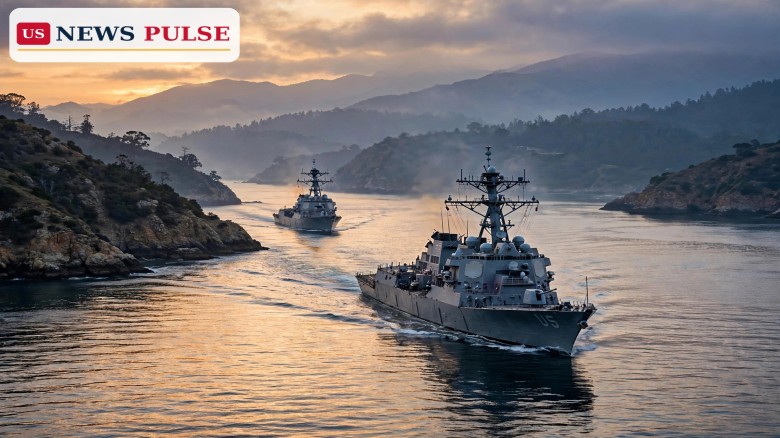
President Donald Trump has described the eight-month confrontation between the United States and Iran as a “very soft war”. Speaking on Fox News’ Hannity on Monday evening, on the eve of the 2026 midterm elections, he insisted Tehran wants a deal “very badly” even as American forces carried out fresh strikes on Qeshm Island. The Trump Iran soft war remarks offered a striking contrast: a president playing down the fighting while warning a suspected nuclear site could be struck within an hour.
Key Points
- Trump told Sean Hannity: “We are not fighting a war. When was the last time we fired anything? This is a very soft war.”
- He warned the US could hit Pickaxe Mountain, a suspected underground nuclear facility near Natanz, “in, literally, one hour”.
- Trump claimed Iran’s economy is “cratering”, citing 301 percent inflation and saying Tehran is not paying its soldiers or police.
- The interview aired hours after reports that US forces struck Qeshm Island on Monday, described by officials as a limited defensive action.
- Qatari mediators travelled to Tehran on Monday evening for a third visit in a week, while Iran said talks continue through Qatar and Pakistan.
What Happened
Trump rejected the description of the confrontation with Iran as a war. “War is fighting. Take a look at World War I, World War II. When was the last time you saw us fighting with them? We go months and months, we talk,” he told Hannity on Monday evening, November 2.
“They’re in not a good negotiating position. Their economy is cratering because of us. They have 301 percent inflation. They don’t have money. They’re not paying their soldiers. They’re not paying their police. We’re not fighting a war,” he added.
Trump argued the absence of sustained combat set the confrontation apart from conventional warfare. “This is a very soft war. We did have a big hit on them, and we hit them very hard, and that took out their navy, 159 ships are gone,” he said.
At the same time, Trump kept the military threat explicit. “We bombed out all of their potential nuclear power. Now, we might have to go after Pickaxe [Mountain], but that’s not a big deal. We can do it in, literally, we can do that in one hour, okay, as soon as we want, at any time we want,” he said.
He also restated his red line on a nuclear weapon. “We cannot let Iran, an evil nation, who has killed many of our people, Soleimani is an example, no longer with us, but killed many of our people, we cannot let them have a nuclear weapon, and we won’t,” he said. He put the cost of the conflict so far at $30 billion and called that sum “peanuts”.
Background: An Eight-Month Confrontation
The confrontation has now lasted about eight months, shaped by alternating rounds of strikes, threats and mediation. The most intense phase included Operation Midnight Hammer, the American bombing campaign against Iranian nuclear sites, after which Trump has repeatedly said Iran’s nuclear programme was destroyed.
Trump Iran Soft War Remarks Land Hours After Qeshm Island Strikes
The timing of the interview drew attention because it followed fresh American military action that same day. The Wall Street Journal first reported on Monday that US forces had struck targets on Qeshm Island in the Strait of Hormuz.
A senior American official later told Axios that a US fighter jet destroyed a surface-to-air missile launcher on the island after Iran’s Islamic Revolutionary Guard Corps fired an anti-aircraft missile from the position. Officials described the operation as defensive and an act of self-defence.
The Washington Post, citing anonymous US officials, reported that the Qeshm operation was the latest in a series of previously unannounced smaller-scale strikes against Iranian positions in recent weeks, some aimed at preventing Iran from threatening commercial vessels in the Strait of Hormuz. Officials said they had deliberately avoided publicising the attacks so as not to create the impression that major combat operations were restarting.
Reactions and Quotes
Iran’s Foreign Minister Abbas Araghchi, speaking to the state news agency IRNA on Monday, said negotiations were continuing through Qatar and Pakistan, involving dozens of telephone conversations and intensive diplomatic exchanges.
“We have announced our specific conditions and presented our formulated plan; now everything depends on how much political rationality prevails on the American side,” he said. He praised the mediation efforts but warned Tehran was prepared for both diplomacy and renewed military confrontation, threatening a harsher response to further American attacks.
Inside the administration, Axios reported on Monday that Trump told the outlet he was in “no rush” to decide whether to resume large-scale attacks. The same reporting said Vice President JD Vance and special envoy Steve Witkoff have advised Trump to reach a lasting agreement with Tehran, a position backed by Arab Gulf states, while War Secretary Pete Hegseth and Israeli Prime Minister Benjamin Netanyahu continue to push for the resumption of major military operations.
Why It Matters
Trump’s “soft war” framing is aimed squarely at the midterm electorate. Iran has loomed over the campaign as voters weigh high petrol prices, the cost of the conflict and the risk of a wider war, and the president’s message on Monday night was designed to reassure: the fighting is contained, Iran is weak, and a deal is within reach.
What Happens Next
Three tracks will now run at once: the Qatari mediation, with Tehran saying it has tabled a formulated plan and awaits Washington’s response; the military track, where further limited operations are possible if Iranian forces fire on American assets or threaten shipping; and the political track, with midterm results shaping how much room Trump has to pursue either a deal or renewed strikes.
Frequently Asked Questions
What did Trump mean by a “soft war” with Iran?
He argued the confrontation is not a conventional war because there has been no sustained fighting for months, with long periods of negotiation instead.
What is Pickaxe Mountain?
It is a suspected underground nuclear facility near Natanz that has not previously been struck. Trump named it on October 31, saying it could be dealt with “in 10 minutes”, and again on Monday, saying a strike could be carried out “in one hour”.
What happened on Qeshm Island on Monday?
US officials said a fighter jet destroyed a surface-to-air missile launcher on Qeshm Island after Revolutionary Guard forces fired an anti-aircraft missile from the position. Officials described the strike as defensive.
Is a US-Iran deal close?
Trump and Vance have both expressed optimism, and Qatari mediators have made three visits to Tehran in a week, but no agreement has been announced. Iran says it has presented its conditions and a formulated plan.
How does this affect the midterm elections?
Iran, petrol prices and the cost of the conflict have been central campaign issues. Trump’s interview was timed for the eve of voting, and the election results will shape whether he pursues a negotiated settlement or returns to large-scale military action.
Related coverage: Trump’s earlier Pickaxe Mountain warning, the reported Qeshm Island strikes, and the Doha talks and Hormuz reopening offer.
© 2026 US News Pulse. All rights reserved.
 Print
 Save