
Iran Calls US Reply to Hormuz Plan 'Unconvincing' as Tanker Hit Near Oman
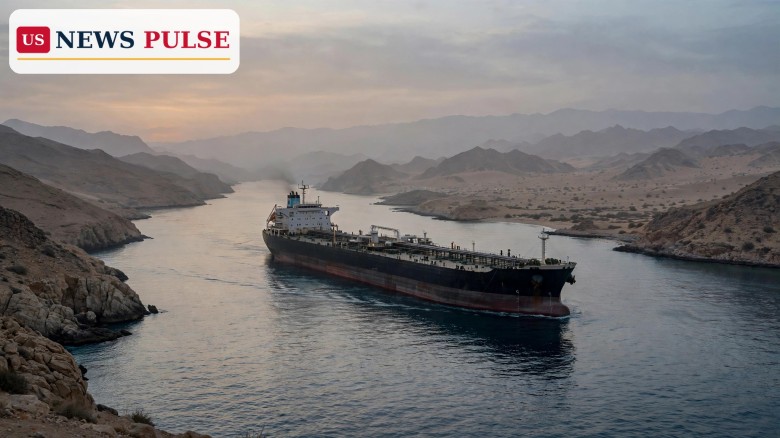
Iran has dismissed the United States' latest response to its plan for reopening the Strait of Hormuz as "unconvincing," insisting Washington must fully and explicitly meet Tehran's seven conditions before the vital waterway is reopened — even as a tanker was struck by projectiles off Oman. The Iran Hormuz plan now sits at the centre of indirect talks between two countries still technically at war, with Qatar shuttling proposals between them in real time. Tehran says it is ready to reopen Hormuz over two days, but only if its demands are answered in full.
The warning came from Mohsen Rezaei, secretary of Iran's Supreme National Security Council, who said on X on Tuesday, November 3, 2026, that America's response to Iran's rights and demands "was not convincing" and that Washington must "fully and explicitly address Iran's seven conditions and act upon them." He added: "Only in this case will the Strait of Hormuz be reopened." The US and Iran have been at war since February 28, 2026, and the strait, through which roughly a fifth of the world's oil has historically flowed, is now a bargaining chip.
Key Points
- Mohsen Rezaei said on Tuesday that the US reply to Iran's Hormuz plan "was not convincing."
- Tehran says Hormuz will reopen only if Washington fully and explicitly meets its seven conditions and acts on them.
- Iran's proposal would reopen the waterway over two days if the US lifts sanctions and ends its naval blockade, among other demands.
- Qatar says talks are continuing, with both sides committed to the process and Doha facilitating a real-time exchange of proposals.
- Separately, UK maritime authorities reported two projectiles struck a tanker's engine room about 14 nautical miles northeast of Oman's Limah, with no casualties.
What Happened
Rezaei's statement was the most direct Iranian verdict yet on the latest American reply in the indirect Hormuz negotiations. Iran's proposal, as reported, would see the strait reopened over two days if the United States meets Tehran's seven demands, including lifting sanctions and ending the naval blockade. Rezaei made clear Tehran does not regard the current American position as meeting that bar.
On the same day, the United Kingdom Maritime Trade Operations (UKMTO) reported that two unidentified projectiles struck a tanker's engine room about 14 nautical miles (26 kilometres) northeast of Limah, a coastal village in Oman. No casualties were reported. UKMTO did not identify the vessel, the origin of the projectiles, or any party responsible, and no link to the Hormuz negotiations was established.
Separately, Iran's Revolutionary Guard claimed four tankers struck mines, that it seized two vessels, and that it downed two US drones over Bandar Khamir. Al Jazeera noted those claims could not be independently verified or linked to the UKMTO incident.
Background and Context
The strait, the narrow channel between Iran and Oman, has been central to the conflict since the war began in late February 2026. Iran has tied any reopening to sanctions relief, lifting the blockade and releasing frozen assets, while the US has insisted on a verifiable commitment that Iran will not rebuild its nuclear programme.
Diplomacy has flickered even amid fighting. US Vice President JD Vance said on Monday, November 2, that Washington had made "progress" in talks and set no strict deadline, confirming he had written to Rezaei the previous week. President Donald Trump said the same day a deal was "coming together very nicely," after American strikes on Iran's Qeshm Island.
The Iran Hormuz Plan and Its Seven Conditions
At the heart of the standoff is the Iranian proposal: reopen Hormuz over two days in exchange for steps Tehran frames as its rights and demands. The seven conditions, as reported, include lifting sanctions, ending the blockade and addressing frozen assets. Tehran's insistence they be addressed "fully and explicitly" leaves little room for a partial answer, at least in public.
Washington's priority differs: a verifiable commitment that Iran will not rebuild its nuclear programme, with military and non-military options retained. That mismatch — Tehran demanding relief first, Washington demanding a nuclear commitment first — has dogged every round of talks. Qatar's role is therefore critical: a "real-time exchange of proposals" lets each side test the other through Doha without public concessions.
Reactions and Quotes
Rezaei's own words set Tehran's tone: "America's response to Iran's rights and demands was not convincing. Washington must fully and explicitly address Iran's seven conditions and act upon them. Only in this case will the Strait of Hormuz be reopened." The statement placed the burden squarely on Washington to move first and move completely.
From Doha, the message was steadier. Majed al-Ansari, Qatar's Foreign Ministry spokesman, said talks were continuing, with both sides remaining committed to the process and Qatar facilitating a "real-time exchange of proposals" — designed to reassure markets and shipping that diplomacy had not broken down. UKMTO's report, by contrast, was terse and factual, offering no attribution.
Why It Matters
The Hormuz question links a war, an energy market and a negotiation. If the strait stays restricted, oil and gas flows remain exposed and every incident off Oman risks escalation. If it reopens on agreed terms, it would be the first major de-escalation of an eight-month war. Brent crude plunged over 7 percent on November 2 on deal hopes, then rebounded after the Qeshm strikes.
What Happens Next
The immediate question is what Washington sends back through Qatar. If its reply addresses Iran's seven conditions directly, Tehran may move toward its promised two-day reopening. If it again falls short, the verdict is likely to harden. Shipping firms will also watch Oman closely: further incidents could raise insurance premiums and push shippers to reroute.
Frequently Asked Questions
What did Iran say about the US reply to its Hormuz plan?
Mohsen Rezaei said America's response "was not convincing" and that Washington must fully and explicitly address Iran's seven conditions before Hormuz is reopened.
What is Iran's Hormuz proposal?
Iran proposes reopening the Strait of Hormuz over two days if the US meets its seven demands, including lifting sanctions and ending the naval blockade.
What happened to the tanker near Oman?
UK maritime authorities reported two unidentified projectiles struck a tanker's engine room about 14 nautical miles northeast of Limah, Oman. No casualties were reported, and no party has been blamed.
Are the IRGC's claims about mines and seized tankers confirmed?
No. The IRGC claimed four tankers struck mines and two vessels were seized, but those claims could not be independently verified or linked to the UKMTO incident.
Who is mediating the US-Iran talks?
Qatar is facilitating the indirect talks, with its Foreign Ministry saying both sides remain committed and Doha is enabling a real-time exchange of proposals.
Related coverage: Trump says no immediate Iran strike is planned, but the US is 'locked and loaded'; Trump confirms US strike on Iran's Qeshm Island; Iran says a US deal is far off as Tehran threatens a forceful response.
© 2026 US News Pulse. All rights reserved.
 Print
 Save