
Ninth Circuit Votes 6-5 to Lift Election Worker Shield on Election Day
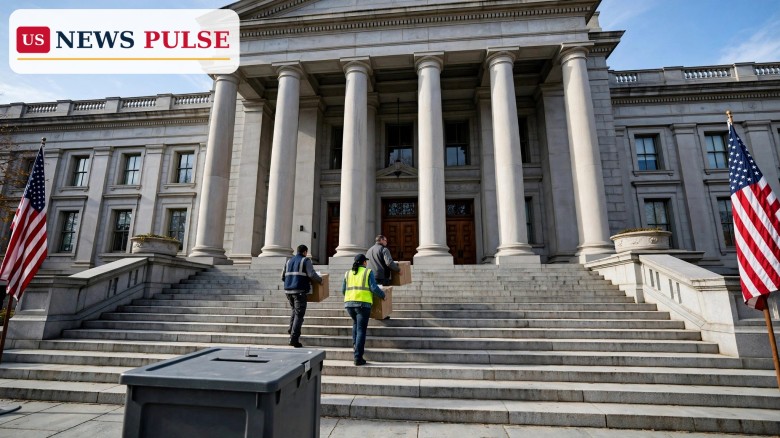
The Ninth Circuit election workers ruling changed course for the third time in about twelve hours on Tuesday, November 3, 2026, when an 11-judge en banc panel voted 6-5 to lift the order shielding election workers from Justice Department threats. The Justice Department may now again ask states to set aside ballots from suspected noncitizens and warn election workers of criminal penalties, on Election Day. Handed down just before noon Pacific time, the ruling undid the protection restored overnight. The case, SEIU v. DOJ, No. 26-7303, asks whether Washington can threaten local workers who refuse to segregate flagged ballots.
Key Points
- An 11-judge Ninth Circuit en banc panel voted 6-5 on Tuesday, November 3, 2026, to lift Judge Trina Thompson's order in SEIU v. DOJ.
- The ruling lets the Justice Department again ask states to set aside ballots from suspected noncitizens and warn workers of penalties.
- It was the third order in twelve hours: a panel freed the department Monday evening, the full court restored the shield overnight, then the en banc panel reversed course.
- Judge Eric Miller, for the majority, said Thompson erred in finding the Justice Department letters likely unlawful.
- Chief Judge Mary Murguia dissented; the appeal remains pending, and Thompson's order had been set to run through November 16.
What Happened
On Monday evening, a three-judge panel voted 2-1 to stay Thompson's order. Judges Carlos Bea and Consuelo Callahan said Thompson had encroached on core executive functions, and that the government's lost chance to seek ballot segregation could not be undone. Murguia dissented, warning that prosecution threats could coerce officials into abandoning lawful procedures. Less than three hours later, at about 10:23 p.m. Eastern time, a majority of active judges voted to rehear the case en banc, vacating the stay. Thompson's order therefore stood on Election Day morning.
Then, just before noon Pacific time Tuesday, the en banc panel voted 6-5 to lift Thompson's order, reinstating the panel's stay. The department's letters, demanding that officials set aside ballots from suspected noncitizens or risk criminal penalties, were no longer blocked. The department welcomed the decision, saying it recognised its important and lawful efforts to protect the integrity of elections.
Background and Context
Before the midterms, the Justice Department sent letters to state and local officials based on data-matching lists flagging ballots it said may have been cast by noncitizens. In California alone about 20,000 ballots were at issue. The letters asked officials to set aside those ballots and warned, in the plaintiffs' telling, of possible criminal consequences. On October 30, Thompson granted a nationwide temporary restraining order barring the Justice Department and the Department of Homeland Security from pressuring election officials, including by demanding segregation, purges, refusals or halted processing solely on alleged ineligibility, or by threatening prosecution. She also required notice to every government that received the letters, and disclosure of related warrant and subpoena applications.
Separate rulings frame the same fight. Judge James Boasberg issued an injunction barring federal demands on California, and the Supreme Court, in a one-line unsigned order, denied the department's bid to force California to set aside about 20,000 contested ballots. The plaintiffs, including the Service Employees International Union, the American Federation of State, County and Municipal Employees, the NAACP and the League of United Latin American Citizens, argue the campaign crosses into coercion. The government says it is expressing its view of federal criminal law and protecting election integrity.
Ninth Circuit Election Workers Ruling: Why the Majority Lifted the Shield
For the majority, Miller said Thompson erred in finding the letters likely unlawful. The letters, in this view, amounted to the department expressing its views about criminal statutes, not an unlawful threat requiring an emergency block. A temporary restraining order is short-term relief, so the court weighs likely success and the balance of harms. The majority found the government had shown enough to lift the order now, even before a full decision, echoing the panel's view that a lost chance to make requests during counting could not be undone later.
The case is not over. The appeal remains with the en banc panel, which could still rule for the plaintiffs after fuller briefing. Tuesday's vote sets only the interim position: no order now blocks the department's letters. Officials receiving new demands must decide, with their own counsel, how to respond without Thompson's protection. The 6-5 split shows how close the question is: one vote the other way would have kept the shield through counting, and the court remains divided on enforcement versus intimidation.
Reactions and Quotes
The Justice Department said it was pleased, saying the ruling recognised its important and lawful efforts to protect the integrity of our elections. Murguia, dissenting, said the decision could not be reconciled with the court's earlier conclusion that the government had no authority to pressure officials over about 20,000 to 21,000 flagged ballots. Judge Roopali Desai warned of precisely the type of chaos and confusion the Supreme Court cautions against, pointing to the risk of changing rules mid-election, after polls opened under a different regime.
Why It Matters
The ruling affects counting, precedent and confidence. Flagged ballots could face extra review, while officials who refuse act knowing penalties have been warned of. Treating threatening letters as mere views could encourage broader federal demands, while a plaintiffs' win could draw a firmer line. And three orders in twelve hours test trust, because rules changed while voting was under way.
What Happens Next
The en banc panel will decide whether the administration can threaten prosecutions against election workers, after further briefing and possibly argument; no schedule was announced. Thompson's order had been set to run through November 16, with a hearing on November 13, dates now possibly overtaken by the en banc case. Officials in the nine Ninth Circuit states will watch for new department letters, while the Supreme Court's California refusal and Boasberg's injunction remain checks. The Tuesday-morning shield in the Ninth Circuit is gone, however.
For more, see our earlier report on the overnight en banc reversal that briefly restored the shield, our coverage of Judge Thompson's order blocking the threats, and our report on the Supreme Court's separate California ballot decision.
Frequently Asked Questions
What did the Ninth Circuit decide on Election Day?
An 11-judge en banc panel voted 6-5 to lift Thompson's temporary restraining order, so the Justice Department may again ask states to set aside ballots from suspected noncitizens and warn workers of penalties while the appeal continues.
Why did the court change its position three times in twelve hours?
A panel first stayed the order Monday evening, active judges then vacated that stay overnight and sent the case en banc, and the en banc panel then voted 6-5 Tuesday to lift the order, reinstating the stay in effect.
Does this mean flagged ballots will automatically be thrown out?
No. The ruling lifts the block on the department's requests; it does not order any ballot set aside. State and local officials still decide, subject to state law and further orders.
Is the case over?
No. The appeal remains with the en banc panel, which will still decide whether the administration can threaten prosecutions against election workers over ballot segregation.
© 2026 US News Pulse. All rights reserved.
 Print
 Save