
Khamenei Warns War Will Be 'Much Wider' If US Strikes Iran After Midterms
Iran's Supreme Leader Mojtaba Khamenei has warned that if the United States resumes attacks on Iran, the war will become "much wider", dismissing any hope that the US midterm elections will change Washington's hostility towards Tehran as "seriously mistaken". The warning, published on his website on Wednesday, November 4, 2026, came a day after American voters dealt President Donald Trump a midterm defeat.
Key Points
- Khamenei said anyone expecting a change in US policy towards Iran through elections or concessions is "seriously mistaken".
- He warned that a repeat of US attacks would make the war's scope "much wider" than before.
- He said Iran's control of the Strait of Hormuz had shattered the "myth of America's invincibility".
- The message marked Iran's National Day of the Fight Against Global Arrogance, the anniversary of the 1979 US embassy seizure in Tehran.
- An adviser to Iran's Revolutionary Guard warned Iran would strike targets beyond US bases if Gulf states allowed attacks from their soil.
What Happened
Khamenei issued the warning in a written statement published on his website on Wednesday, November 4, 2026, and reported by AFP. It was his message since taking office in March, after his predecessor was killed in the February 28, 2026 strikes that began the war. Khamenei has yet to appear in public since taking office, and the statement carried no new announcement of talks, a ceasefire, or a military move.
The timing mattered. The statement arrived the day after the November 3 midterm elections, in which Democrats seized control of both houses of Congress, and at a moment when Washington has warned it could carry out a short but intensive military campaign against Iran. Khamenei addressed that moment directly, writing: "Those who still harbour even the slightest hope that the behaviour of the hegemonic system might change through partisan or factional shifts, or who imagine that making concessions to the United States can dissuade it from hostility towards the Iranian nation, are seriously mistaken."
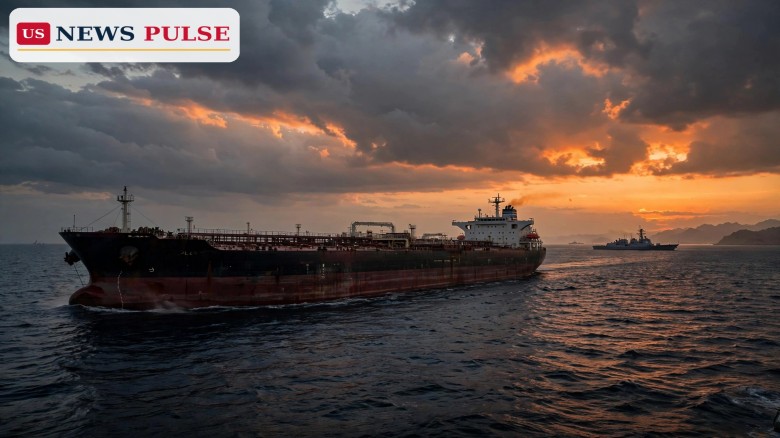
He then turned to the consequences of any new attack. "If US attacks are repeated, its (the war) scope will become much wider," he said, framing Iran's past response as a reaction to US aggression. He described Iran's management of the Strait of Hormuz, the narrow waterway through which a large share of the world's seaborne oil passes, as having shattered the "myth of America's invincibility".
Background and Context
The US-Iran war began on February 28, 2026, when the United States and Israel launched a joint attack against Iran. Since then, the conflict has reshaped global energy markets, driven up fuel prices, and repeatedly threatened shipping through the Strait of Hormuz. Diplomatic efforts have continued in parallel, with mediators in Qatar and elsewhere shuttling between the sides, but no lasting settlement has been reached.
In recent days, the diplomatic track has shown signs of movement. Vice President JD Vance said on November 2 that Washington had made "progress" in talks with Iran and had set no deadline for a deal, while President Trump said a deal was "coming together very nicely". At the same time, US strikes on Iran's Qeshm Island and warnings of a possible renewed campaign have kept the military option in view, so Khamenei's statement lands amid mixed signals: negotiation on one track, threats of escalation on the other.
Khamenei Wider War Warning
The core of Khamenei's message was a rejection of two ideas: that American politics will rescue Iran, and that concessions will buy safety. By calling hopes of a policy shift "seriously mistaken", he warned Iranian audiences against reading the midterm results as a turning point. By warning of a "much wider" war, he signalled that Tehran's response to a second round of strikes would not be confined to the pattern of the first.
That second point is the one regional governments will read most closely. Any disruption in the Strait of Hormuz affects oil prices worldwide, and Khamenei's claim about the strait was aimed as much at Gulf neighbours and global markets as at Washington. It echoed a separate warning from IRGC adviser Hamidreza Moghadamfar, who said Iran would hit targets beyond US bases if Gulf states allowed Washington to launch attacks from their territory. What Khamenei did not do is also significant: he announced no break in talks, no dated red line, and no new capability. The statement was a deterrent message, not an operational one.
Reactions and Quotes
Beyond Khamenei's own words, the immediate reaction reported alongside the statement came from within Iran's security establishment. Moghadamfar's warning about targets beyond US bases underlined the regional stakes: a wider war, in Tehran's telling, would not be limited to American installations, but could reach countries that host them.
The statement also drew attention because it followed the US midterm results so closely. Khamenei's argument was that partisan change in Washington does not change the system he blames for hostility towards Iran, a claim that cuts against hopes that a Democratic Congress might restrain a renewed campaign. No White House response to this specific warning had been reported.
Why It Matters
The warning matters for three reasons. First, it raises the stated cost of a renewed US campaign, explicitly threatening a wider conflict rather than a repeat of the last round. Second, it puts Gulf states on notice that hosting US strikes could draw retaliation beyond American bases. Third, it tempers expectations that the midterm elections alone will change the trajectory of the war, a point that will shape how allies, markets, and mediators read the coming weeks. For Americans, the stakes are direct: the war has already raised fuel prices.
What Happens Next
Attention now turns to whether the diplomatic track produces a concrete proposal, and whether Washington follows its warnings with action. Mediators have been working with both sides, and Vance's recent remarks about progress suggest talks have not collapsed. But Khamenei's statement suggests Tehran is preparing its public position for a harder phase if talks fail, rather than signalling a breakthrough. Key questions are any new US military signal, Gulf states' response, and calm in Hormuz.
Related reading: Iran's earlier warning of no geographic limits if US strikes resume, the reported US-Iran draft deal on uranium and Hormuz, and Iran's foreign minister on the Doha talks.
Frequently Asked Questions
What did Khamenei actually warn? He warned that if US attacks on Iran are repeated, the war's scope will become "much wider", and he dismissed hopes of a US policy shift after the midterms as "seriously mistaken".
When did he make the warning? In a written statement published on his website on Wednesday, November 4, 2026, Iran's National Day of the Fight Against Global Arrogance.
Does this mean talks have ended? No. Khamenei did not announce an end to talks, and US officials had recently spoken of progress in negotiations, even as military threats continued.
Why is the Strait of Hormuz so important? It is the narrow waterway through which a large share of the world's seaborne oil travels, so any disruption there can quickly push up global energy prices.
What should readers watch next? Any concrete diplomatic proposal, any US military signal, Gulf states' responses, and conditions in the Strait of Hormuz.
© 2026 US News Pulse. All rights reserved.
 Print
 Save