
Trump Team Divided on Iran as US Military Readies Possible New Strikes
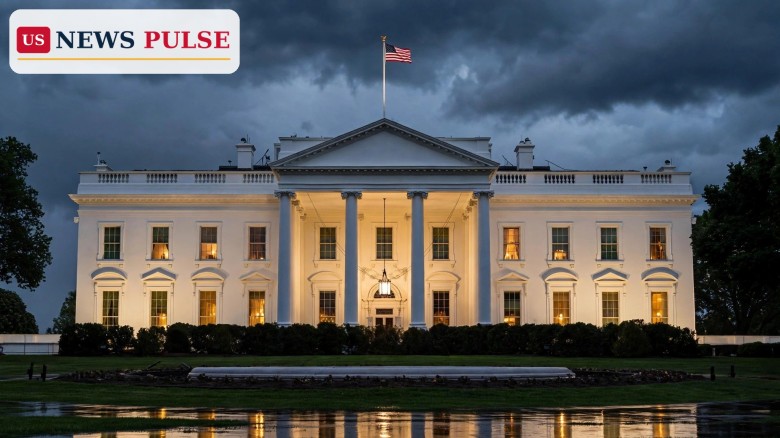
President Donald Trump's advisers are split over what to do next in Iran after the Republican Party's heavy defeat in the midterm elections, the Wall Street Journal reported late on Wednesday. Some officials urge new military strikes followed by a negotiated exit, while others press the president to cut his losses and wind the war down.
The report came hours after Axios, citing US officials, said the American military is completing preparations for a possible resumption of large-scale operations against Iran. Trump has leaned toward resuming strikes despite warnings from inside his own administration, and once considered attacking before the midterms, as Netanyahu had urged.
Key Points
- The Wall Street Journal reported late Wednesday, November 4, 2026, that Trump's team is divided over the next steps in Iran.
- One camp urges new strikes followed by a peace deal to exit the war; another says Trump should cut his losses and wind the operation down.
- Axios reported the US military is completing preparations for a possible resumption of operations, and Trump had leaned toward resuming strikes despite warnings.
- Fox News reported the White House is seriously considering new strikes, with Central Command ready and the USS Theodore Roosevelt en route.
- Vice President JD Vance has told Netanyahu privately he is wrong on everything related to Iran, Axios reported, and Trump told the Journal Iran "was a piece of it" in the Republican losses.
What Happened
According to the Journal, the argument inside the administration has sharpened since Tuesday's elections, in which Democrats seized both chambers of Congress. Officials who favour more action believe fresh strikes could force Tehran into a settlement that lets Washington leave the war on its own terms. Their opponents argue the operation has already cost the party dearly at the ballot box and that prolonging it would only deepen the damage.
Axios added that the Pentagon is not waiting for the argument to settle. The military is completing preparations for a possible resumption of large-scale operations, and Trump had leaned toward resuming strikes despite warnings. At one stage he considered attacking before the midterms, as Netanyahu had urged, but held off.
Fox News, citing sources, reported separately that the White House is seriously considering new US strikes. US media reported Central Command has prepared strike plans that could begin soon, and the carrier USS Theodore Roosevelt is on its way to the region. The State Department said it had sanctioned two people and one entity for helping Iran obtain air-defence systems.
Background and Context
The war with Iran is now in its ninth month, having begun on February 28, 2026, with a joint American and Israeli attack. It has defined Trump's second term, and it shaped the midterm campaign in ways the White House did not expect. The conflict pushed oil prices sharply higher, and voters who had backed Trump on the economy punished Republicans at the polls on Tuesday.
Trump acknowledged the political cost in a telephone interview with the Journal on Tuesday night, saying that "Iran was a piece of it" in the Republican losses. He blamed higher oil prices rather than the war itself, and said he did not regret launching the war. Earlier that day he told Fox News he was "not looking to kill lots of people" in Iran, and told the Financial Times there were no immediate plans to strike.
Trump Team Divided on Iran: Strikes or an Exit
The split at the heart of the administration is not only about tactics but about how the war ends. Those urging new strikes see force as the route to a deal: hit Iran hard enough and Tehran will accept terms that let the United States walk away. Those urging restraint argue eight months of war have produced no settlement, and a new round of bombing would lock the country into a conflict the public no longer supports.
Vice President JD Vance sits firmly in the second camp. Axios reported that he has told Netanyahu in private that the Israeli leader is wrong on everything related to Iran, and he warned earlier that the war faces broad opposition and could cost Republicans the election. Netanyahu, by contrast, has pressed Trump to resume the campaign, and the strike preparations suggest his case has not been dismissed. The president is caught between an ally urging escalation and a vice president warning that escalation cost his party Congress.
Reactions and Quotes
Trump's own remarks this week have pointed in both directions. Speaking to Fox News on Tuesday, he said he was "not looking to kill lots of people" in Iran. In his Journal interview that night, he conceded "Iran was a piece of it" in explaining the Republican losses, while insisting he did not regret starting the war.
A senior Iranian official told Reuters that Iran would respond forcefully to any strikes and that a deal remains far off. Tehran's message is that a new American attack would bring retaliation, not surrender.
Why It Matters
The decision Trump makes in the coming days will shape the final two years of his presidency. With Democrats set to take both chambers of Congress in January, his window for acting without a hostile legislature looking over his shoulder is closing fast. A lame-duck military decision would be among the most consequential a president can make.
It also matters for the world economy. The war has driven oil prices sharply higher and disrupted shipping through the Strait of Hormuz, which carries a large share of the world's seaborne oil. A new round of strikes, and any Iranian retaliation against Gulf energy sites, could send prices higher still.
What Happens Next
No decision on new strikes has been announced, and the public signals remain mixed. Military preparations will continue, the USS Theodore Roosevelt will keep sailing toward the region, and the diplomatic track through Qatar will carry on.
Frequently Asked Questions
Why is Trump's team divided over Iran?
Some officials want new strikes followed by a peace deal; others say Trump should cut his losses after the midterm defeat, the Journal reported.
Is the US military preparing new strikes on Iran?
Axios reported the military is completing preparations for a possible resumption of operations, with the USS Theodore Roosevelt en route.
What did Trump say about Iran and the midterms?
Trump told the Wall Street Journal that "Iran was a piece of it" in the Republican losses, blaming higher oil prices, while saying he did not regret launching the war.
What is JD Vance's position on the Iran war?
Vance warned the war faces broad opposition and could cost Republicans the election, and told Netanyahu privately he is wrong on everything related to Iran, Axios reported.
How has Iran responded to the threat of new strikes?
A senior Iranian official told Reuters that Iran would respond forcefully to any strikes and that a deal remains far off.
Read more: the earlier Axios warning that Trump could act after a bad midterm result, Axios says Trump may go bold on Iran if midterms turn bad; the warning to Gulf allies to brace for renewed strikes, US warns allies to brace for post-election Iran strikes.
© 2026 US News Pulse. All rights reserved.
 Print
 Save