
Tanker Struck North of Qatar in Two-Projectile Attack as Gulf Shipping Raids Continue
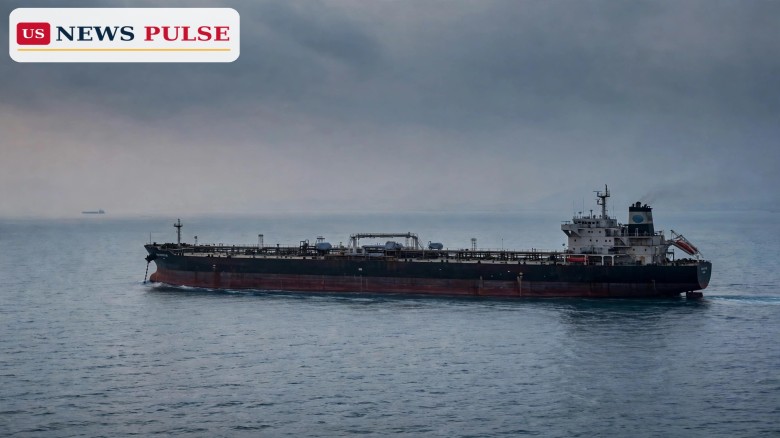
A tanker struck north of Qatar by two unidentified projectiles on Wednesday night, in the latest attack on commercial shipping in the Gulf during the war between the United States and Iran. The United Kingdom Maritime Trade Operations agency, known as UKMTO, reported the incident on Thursday, saying the crew's status, damage and any environmental impact were still unconfirmed. The tanker was not named, and no group has claimed responsibility for the strike, as Qatar presses on with mediation to end a war now in its ninth month.
Key Points
- A tanker was hit by two unidentified projectiles about 50 nautical miles north of Madinat ash Shamal, Qatar, on Wednesday, November 4, 2026, at 2320 GMT, according to UKMTO warning 196-26.
- UKMTO said the crew's status, damage and environmental impact were unconfirmed, and advised vessels to transit with caution.
- The tanker was not named, no group has claimed the attack, and no official attribution has been made.
- Qatar has stepped up mediation; its Foreign Ministry spokesman said on Tuesday both sides were reviewing mediator proposals, with talks continuing.
- It is distinct from the October 30 hit on Qatar's Nakilat LNG carrier Al Mayeda and the November 3 engine-room strike off Oman's Limah village.
What Happened
UKMTO, the British maritime security agency that issues warnings to commercial shipping in the region, published warning 196-26 on Thursday, November 5, 2026. It said a tanker had been struck by two unidentified projectiles at 2320 GMT on Wednesday, November 4, about 50 nautical miles north of Madinat ash Shamal, on Qatar's northern coast. The agency said the crew's status, the damage and any environmental impact were unconfirmed, and advised vessels to transit with caution and report suspicious activity while authorities investigate.
The vessel was not identified, and no details were given about its flag, cargo or destination. No group has claimed the attack, and no government has publicly attributed it. Such brevity is typical in the first hours: UKMTO warnings go out quickly so other ships can adjust course, with detail following once the operator or flag state confirms what happened. The timing and location matter: the strike came late on Wednesday night, hours before the United States and Iran were due to keep reviewing mediator proposals, and it happened off Qatar, the country leading efforts to broker an end to the war.
Background and Context
Commercial shipping has been under sustained attack since the war began on February 28, 2026, and this is the latest in a long series, not an isolated event. On October 30, a projectile hit Qatar's Nakilat LNG carrier Al Mayeda, which Qatar condemned, with no injuries reported. On November 3, UKMTO reported two unidentified projectiles striking a tanker's engine room about 14 nautical miles northeast of Limah village in Oman, again with no casualties. That strike came the same day Iran called Washington's reply to its Hormuz plan unconvincing.
The pattern has escalated sharply in recent days. On November 3, Iran's Revolutionary Guards claimed three oil tankers struck naval mines and caught fire in the Strait of Hormuz after entering unauthorised routes, an unverified claim. Aramco's chief executive said the same day the company was expanding its East-West pipeline to bypass the strait, citing more than 130 tanker attacks so far, mainly very large crude carriers, with freight rates up over 15 times from a year earlier. On November 4, US Central Command said it destroyed five Iranian oil tankers after the Guards twice tried to target an American warship with ballistic missiles.
Tanker Struck North of Qatar Adds to Gulf Shipping Danger
The strike off Madinat ash Shamal matters because of where it happened and who it happened near. Qatar is not a party to the fighting, but it is the Gulf's leading gas exporter and the main mediator between Washington and Tehran, and its waters are among the busiest in the region. An attack 50 nautical miles off its northern coast shows no stretch of the Gulf is safe for commercial shipping while the war continues.
The weapon matters too. Two projectiles hitting one tanker suggests a deliberate, aimed attack rather than a drifting mine or an accident, and it follows the Limah strike a day earlier, where two unidentified projectiles hit a tanker's engine room. The similarity raises the question of whether the same method, and possibly the same actor, is behind both, though no evidence links them and UKMTO has attributed neither attack.
Reactions and Quotes
UKMTO's warning was brief and factual. It confirmed the time, location and number of projectiles, said the crew's status, damage and environmental impact were unconfirmed, and advised vessels to transit with caution and report suspicious activity. The agency did not name the tanker or attribute the attack.
Qatar's government has not commented on the strike itself, but Foreign Ministry spokesman Majed al-Ansari said on Tuesday both sides were reviewing mediator proposals and talks were continuing. Separately on Thursday, Iran's Revolutionary Guards claimed two oil tankers and a tugboat caught fire in the Strait of Hormuz after using unauthorised routes, an unverified claim not linked to the Qatar incident.
Why It Matters
This attack matters for three reasons. First, it shows the shipping war spreading beyond the Strait of Hormuz into the wider Gulf, where Qatar's gas exports and busy tanker routes run. Second, it lands at a delicate moment, with both sides reviewing mediator proposals; a new attack risks hardening positions just as a deal appears within reach. Third, it adds pressure on global energy markets and the cost of moving oil and gas, as Brent crude has already swung by tens of dollars in days on war news.
What Happens Next
Next comes the investigation: UKMTO and regional authorities will work to identify the tanker, establish the crew's condition and assess damage or pollution. If the operator or flag state confirms the incident, more detail should follow, including whether the projectiles caused a fire or left the ship able to continue. Attribution, if it comes, is likely to take longer. The diplomatic track will be watched just as closely: the coming days will show whether the strike hardens positions or is managed as an incident while talks continue.
Frequently Asked Questions
Where exactly was the tanker struck?
About 50 nautical miles north of Madinat ash Shamal, on Qatar's northern coast, at 2320 GMT on Wednesday, November 4, 2026, per UKMTO warning 196-26.
Was anyone hurt, and how badly was the ship damaged?
Not yet known. UKMTO said the crew's status, damage and environmental impact were unconfirmed when it issued the warning.
Who attacked the tanker?
No group has claimed the attack and no government has attributed it.
Is this the same incident as the tanker hit off Oman?
No. The Oman strike, reported on November 3, hit a tanker's engine room about 14 nautical miles northeast of Limah village; the Qatar strike is a separate incident on another day, in another location.
What is Qatar's role in the war?
Qatar is the leading mediator between the United States and Iran. Its Foreign Ministry said on Tuesday both sides were reviewing mediator proposals, with talks continuing.
© 2026 US News Pulse. All rights reserved.
 Print
 Save