
US Expands Cuba Sanctions to Tech and Shipping, Targets Chinese Suppliers
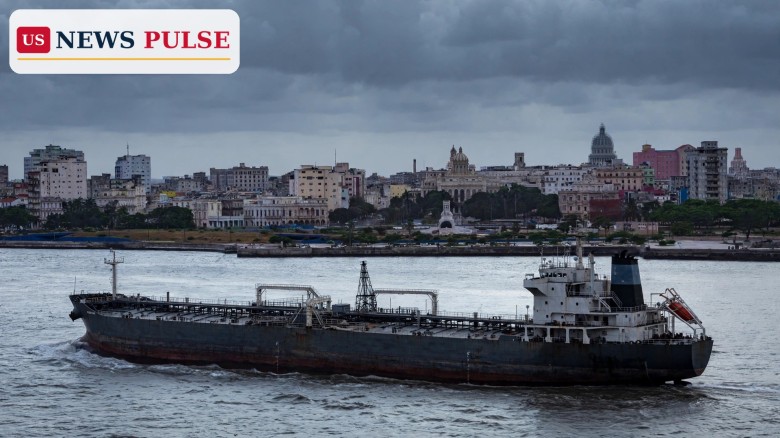
The United States has widened its pressure campaign against Cuba, announcing new US Cuba sanctions on Thursday, November 5, 2026, covering the island's technology, shipping and manufacturing sectors and naming two Chinese companies accused of supplying the Cuban military. The State Department said it was designating eight entities and two individuals under Executive Order 14404 and identifying five vessels as blocked property.
Secretary of State Marco Rubio called it a strike against Cuba's ruling elite. "Cuba's ruling elite is hoarding the island's energy, shipping, and technology resources for its own enrichment, leaving the Cuban people to contend with blackouts, shortages, and a stagnant economy," Rubio said.
Key Points
- The State Department designated eight entities and two individuals under Executive Order 14404 and identified five vessels — the Emilia, Gloria C, Maria Cristina, Esperanza and Lourdes — as blocked property.
- China National Electronic Import and Export Company (CEIEC) and Beijing H&C Technologies were named for allegedly buying weapons and selling surveillance equipment to the Cuban government.
- The Treasury authorised sanctions on any foreign person operating in Cuba's electronics, manufacturing, marine and technology sectors.
- Shipping firms and state enterprises were listed, including Internacional Maritima, Petroleos Maritimos del Caribe, Tentacool Commercial, Caroil Transport Marine, Cubaelectronica and Tecnosime.
- The measures land as Cuba faces daily outages lasting more than 24 hours, an ageing grid and falling fuel stocks.
What Happened
The designations were announced on Thursday, November 5, 2026, widening a sanctions programme that had concentrated largely on the oil trade. They were made under Executive Order 14404, signed by President Donald Trump on May 1, 2026. The five blocked vessels cannot be dealt with by US persons, and any assets they hold under US jurisdiction are frozen.
At the centre are the two Chinese companies. Washington accuses CEIEC and Beijing H&C Technologies of buying weapons and selling surveillance equipment to the Cuban government through Sociedad Mercantil Duna, a military procurement company, in 2026. The designation cuts both firms off from the American financial system and exposes firms doing business with them to secondary sanctions.
The shipping designations target the network moving Cuban crude oil: Internacional Maritima, Petroleos Maritimos del Caribe, Tentacool Commercial and Caroil Transport Marine. Guillermo Faustino Rodriguez Lopez Calleja is linked to a network moving Cuban crude. State enterprises Cubaelectronica and Tecnosime were also listed, bringing the Cuban state's technology arms into the sanctions net.
Background: A Deepening Energy Crisis in Cuba
The sanctions arrive as Cuba endures one of the worst energy crises in its modern history: daily power outages now exceed 24 hours in parts of the island, the grid is ageing and poorly maintained, and fuel stocks are falling. The blackouts disrupt hospitals, schools and water supplies, and drive public anger at the government in Havana.
The fuel shortage has been building for months. In late January, President Trump threatened tariffs on countries selling oil to Cuba, chilling wary suppliers. In March, Venezuelan oil exports to Cuba halted, removing a lifeline that supplied a large share of the island's crude. Since then only one Russian tanker has delivered oil to Cuba.
The pressure campaign has run alongside a diplomatic one: on October 28, 2026, the United Nations General Assembly voted on its annual resolution calling for an end to the US embargo. Executive Order 14404 is the legal backbone of the current campaign, and Thursday's announcement is its most expansive use so far. See our earlier report: the UN Cuba embargo vote.
US Cuba Sanctions Target Chinese Suppliers
The naming of the two Chinese companies is the most diplomatically charged part of the package. CEIEC is a long-established state-owned defence trading firm, and Beijing H&C Technologies is a smaller tech firm. Washington says both bought weapons and sold surveillance equipment to the Cuban government through Sociedad Mercantil Duna in 2026.
The allegation puts Beijing and Havana's security relationship in the sanctions spotlight. China has long been Cuba's most important political ally, and Chinese firms have long supplied the island with surveillance equipment. By designating the two companies, Washington is signalling that supplying security equipment to the Cuban military is a sanctions offence in its own right.
Whether the designations change Beijing's behaviour is an open question: China has historically defied US secondary sanctions on partners it values, and neither company depends heavily on the US financial system. But the designations raise the cost of doing business with Havana's military for any firm with dollar exposure.
Reactions and Quotes
Secretary Rubio presented the measures as an attack on corruption rather than on the Cuban people. "Cuba's ruling elite is hoarding the island's energy, shipping, and technology resources for its own enrichment, leaving the Cuban people to contend with blackouts, shortages, and a stagnant economy," he said. That has been the administration's consistent line.
The State Department described the designations as part of an effort to deny resources to the Cuban military and security services, which Washington accuses of propping up the government. Neither the Cuban government nor the two Chinese companies had issued a public response in the initial reporting. Supporters call it maximum pressure; critics say it punishes ordinary Cubans most.
Why It Matters
The expansion matters first for Cuba's ability to keep the lights on: by targeting the shipping network that moves crude oil and the firms that supply the grid, Washington is squeezing both the fuel that powers Cuba and the equipment that maintains it. It matters second for China, testing whether Beijing will absorb sanctions costs to keep supplying a small Caribbean ally. It matters third as a signal that the administration is building sanctions to last.
What Happens Next
Enforcement will be the first test. The Treasury's Office of Foreign Assets Control will watch for transactions involving the designated entities and the five blocked vessels, while shipping firms weigh the risk. Havana may seek other fuel supplies. For the latest on the administration's use of sanctions, see our report: Trump extends Iran emergency as sanctions stay.
Frequently Asked Questions
What did the United States announce on November 5, 2026?
Eight entities and two individuals were designated under Executive Order 14404, and five vessels were identified as blocked property, widening US sanctions into technology, shipping and manufacturing.
Which Chinese companies were named, and why?
China National Electronic Import and Export Company (CEIEC) and Beijing H&C Technologies, accused of buying weapons and selling surveillance equipment to the Cuban government through Sociedad Mercantil Duna in 2026.
What is Executive Order 14404?
The order signed by President Donald Trump on May 1, 2026, authorising the current Cuba sanctions programme against people, companies and vessels tied to the Cuban government and military.
Which vessels were blocked?
The Emilia, Gloria C, Maria Cristina, Esperanza and Lourdes. US persons are barred from dealing with them and any US-jurisdiction assets they hold are frozen.
How bad is Cuba's energy crisis?
Daily power outages exceeding 24 hours in parts of the island, an ageing grid and falling fuel stocks, worsened by the March halt in Venezuelan oil exports and the January US tariff threat on countries selling oil to Cuba.
© 2026 US News Pulse. All rights reserved.
 Print
 Save