
Explosions Heard Along Iran's Hormuz Coast as Blasts Hit Qeshm, Jask and Bandar Abbas
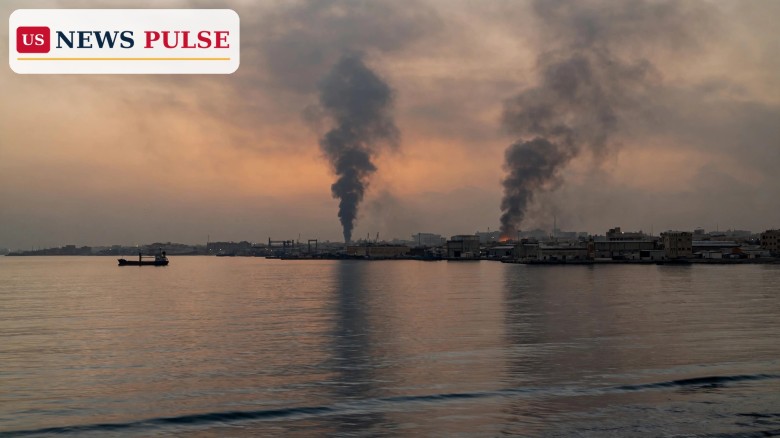
Explosions echoed along Iran’s southern coast on Saturday evening, November 7, 2026, as residents of Qeshm Island and the port cities of Jask, Sirik and Bandar Abbas reported loud blasts across the Strait of Hormuz — and nearly a day later, no one has publicly confirmed what caused them. State television first reported them and IRNA confirmed two blasts in eastern Qeshm, but Tehran has released no damage figures, no casualty count and no official explanation. With Washington silent and the war in its ninth month, the Iran Hormuz explosions have left the world’s most important oil waterway facing another night of unanswered questions.
Key Points
- Explosions were heard on Saturday evening, November 7, 2026, on Qeshm Island and in Jask, Sirik and Bandar Abbas, Iranian state television reported.
- IRNA reported two explosions in eastern Qeshm Island, and residents also reported explosions in Jask.
- The semi-official Tasnim news agency first said two missiles struck Qeshm Island, then later carried a denial from a source.
- Israeli outlet N12 reported casualties at Jask port, without giving a number, and a senior Iranian official threatening retaliation against US interests.
- No US military or government statement has been made, and Tehran has released no damage or casualty figures.
What Happened
Iranian state television said the explosions were heard on Saturday evening across a wide stretch of Iran’s Hormuz coast. IRNA reported two explosions in the eastern part of Qeshm Island, the island guarding the strait’s narrowest point. Residents also reported hearing explosions in Jask, and reports extended to Sirik and Bandar Abbas, Iran’s main southern port. What caused the blasts remains unclear: no official source has confirmed their origin, and no damage or casualty figures have been released. A state television reporter suggested the sounds could relate to Iranian military activity defending the strait. Tasnim, the semi-official news agency close to Iran’s Revolutionary Guard, first reported that two missiles had struck Qeshm Island and then later carried a source denying that any missile strike had occurred — leaving even the basic facts of the evening in dispute.
Background: Nine Months of War in the Strait
The blasts came in the ninth month of the US-Iran war, which began on February 28, 2026, in a conflict centred on the Strait of Hormuz. Five days earlier, on Monday, November 2, Iranian state media reported explosions on Qeshm Island after US strikes, covered in our earlier report, Two Missiles Strike Iran’s Qeshm Island in New Saturday Attack, Iran Says. Then on Friday, November 6, President Donald Trump said the US had carried out new limited strikes on an Iranian air-defence system. On Saturday, US forces disabled the cargo ship M/V Huda in the Gulf of Oman after it defied the naval blockade, as reported in US Disables Cargo Ship M/V Huda in Gulf of Oman After It Defies Iran Blockade. The blockade has blocked more than $25 billion in Iranian crude, and five Iranian tankers were destroyed on November 4. Two tankers also exploded after hitting mines earlier in the week, as reported in Two Hormuz Tankers Explode After Hitting Mines as Trump Says Iran War Will End Soon.
Iran Hormuz Explosions Deepen Uncertainty Over the Blockade
The Saturday evening blasts underline how little is certain about the war at sea. The US blockade depends on shippers and insurers believing the strait is passable under American protection. Unexplained explosions at four locations along the Iranian coast cut directly against that confidence. The conflicting Iranian accounts add to the uncertainty: when the country’s own news agencies cannot agree within hours on whether missiles struck Qeshm Island, outside observers are left guessing about the scale of the incident. If the blasts were Iranian air-defence fire, Tehran’s forces were active and on alert along the coast. If they were an attack, it would mark a fresh escalation as both sides talk of a deal. Vice President JD Vance said on Monday, November 2, that Washington had made “progress” in talks with Iran and that he and President Trump “both feel pretty good about the prospects for potentially coming to a negotiated settlement.”
Reactions and Conflicting Accounts
No Iranian government or military statement has explained the blasts. Tasnim’s reversal — first reporting two missiles striking Qeshm, then carrying a source denying any missile strike — is the most striking feature of the Iranian coverage. Neither version has been independently verified. Israeli outlet N12 reported casualties at Jask port, without giving a number, and a senior Iranian official threatening retaliation against US interests. That claim has not been confirmed. Washington has said nothing at all: no statement from the US military, the Pentagon or the White House. On Friday, President Trump described the strikes on Iran’s air-defence system as minor, saying: “They knocked out — they built a little bit of an anti-aircraft device and we knocked it out in about 15 minutes, maybe five.”
Why It Matters
The Strait of Hormuz is the world’s most important oil chokepoint, and every unexplained explosion there carries consequences far beyond the coastline. Incidents there have repeatedly moved oil prices this year. The blasts also arrived at a delicate moment: with Qatar-mediated talks under way, a US naval blockade in force and both sides publicly talking about a possible deal, an unexplained incident risks being misread. A blast blamed on the wrong side can harden positions diplomats have spent weeks softening.
What Happens Next
The first thing to watch is whether Tehran issues an official explanation. An Iranian statement confirming air-defence activity, an accident or an attack would settle the basic question about Saturday evening. The second is whether Washington breaks its silence: a US statement confirming or denying involvement would shape how the region and markets read the incident. The third is the shipping picture, with operators watching transit patterns and any further incidents involving mines, drones or missiles. Finally, the talks: whether the blasts slow the Qatari-mediated process will be an early sign of where the war goes from here.
Frequently Asked Questions
Where were the explosions heard?
On Qeshm Island and in Jask, Sirik and Bandar Abbas on Saturday evening, November 7, 2026, according to Iranian state television. IRNA reported two explosions in eastern Qeshm.
What caused the explosions?
Unclear. No official confirmation or casualty figures have been released. Tasnim first said two missiles struck Qeshm, then later carried a source denying any strike.
Has the United States commented?
No. There has been no US military or government statement on the explosions as of Sunday. President Trump last described new limited strikes on an Iranian air-defence system as minor on Friday.
Is this connected to the tanker incidents?
Not as far as is known. Two tankers exploded after hitting mines earlier in the week; two more caught fire early Sunday, the Guard navy said. Those are separate incidents.
What is the state of the war and the talks?
The war is in its ninth month, since February 28, 2026, with a US naval blockade still in force. Qatar-mediated talks continue; Vice President JD Vance said on November 2 that Washington had made “progress”, with no strict deadline. No deal has been announced.
© 2026 US News Pulse. All rights reserved.
 Print
 Save