
Iran Warns US It Will 'Rain Down Hell' If Washington Chooses War Over Talks
Iran's foreign minister has warned the United States that it will "rain down hell" if Washington chooses war over diplomacy, in the sharpest Iranian threat since the US midterm elections froze negotiations over the eight-month war. Abbas Araghchi issued the warning in a post on X on Sunday, November 8, 2026, hours after President Donald Trump told CNN that fresh American strikes were "highly unlikely" if talks to end the conflict keep moving. The exchange laid bare the fragile state of the war in the Gulf: both sides say they want a deal, yet no negotiations have taken place since voters went to the polls last Tuesday.
Araghchi said Iran's two-day proposal still stands — an offer to reopen the Strait of Hormuz within two days if the United States meets Tehran's demands, including an end to the war on all fronts, the unfreezing of Iranian assets, the lifting of oil sanctions and the end of the American counter-blockade of Iranian ports. But he made clear Tehran's patience is not unlimited, and its forces stand ready if Washington returns to bombing.
Key Points
- Iranian Foreign Minister Abbas Araghchi warned on X on Sunday that Iran's "alert and battle-hardened Warriors" will "rain down hell" if the US chooses war.
- He said Iran's two-day proposal to reopen the Strait of Hormuz still stands — if Washington ends the war on all fronts, unfreezes Iranian assets, lifts oil sanctions and ends its counter-blockade of Iranian ports.
- Araghchi said there have been no negotiations since the "shock" of the US midterm elections, and mediators have not travelled at all since the vote.
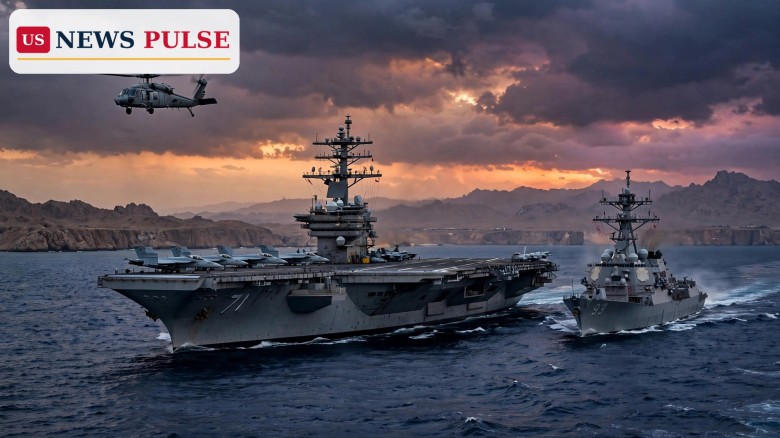
- President Donald Trump told CNN on Sunday that fresh strikes are "highly unlikely" if talks progress, but said three US aircraft carriers are "fully locked and loaded".
- Trump said the US has 38 Iranian bridges in its crosshairs that it "can knock down in literally one hour".
What Happened
Araghchi published his message on X on Sunday, addressing American voters directly before turning to the White House. "American voters have made their choice. Time for the White House to make its own," he wrote. "Our 2-day proposal stands: meet the requirements, including end to war on all fronts, and you will see results. Or choose war, and see our alert and battle-hardened Warriors rain down hell." The post was his bluntest public statement since the midterm elections.
The warning answered President Trump's phone interview with CNN earlier on Sunday, in which the president said new attacks were "highly unlikely" while talks were making progress — but paired it with a reminder of American firepower in the region. Trump said three US aircraft carriers are "fully locked and loaded" and that the United States has identified 38 Iranian bridges it "can knock down in literally one hour".
Background: A War in Its Ninth Month
The war between the United States and Iran began on February 28, 2026, and is now in its ninth month. Fighting has centred on the Strait of Hormuz, the narrow waterway through which a large share of the world's oil and liquefied natural gas moves, and on Iranian coastal targets including Qeshm Island. Shipping through the strait has been repeatedly disrupted by mines, missile strikes and seizures.
In recent days the conflict has flared again at sea and on the coast. Blasts were heard across southern Iran, including Qeshm Island, on Saturday evening, and on Sunday morning an oil tanker caught fire after hitting a mine east of the Strait of Hormuz. Qatar has been mediating between the two sides, but Araghchi's account suggests that effort has gone quiet since the American vote.
Iran's "Rain Down Hell" Warning
Araghchi's message was aimed as much at Washington's politics as at its military planners. By opening with the midterm result — "American voters have made their choice" — he framed the choice facing the White House as a political one, and tied Iran's offer directly to the new landscape in Congress. The two-day proposal, he said, is still on the table: reopen the Strait of Hormuz within two days in exchange for an end to the war on all fronts, unfrozen assets, lifted oil sanctions and an end to the counter-blockade of Iranian ports.
At the same time, Araghchi said the atmosphere for mediation has not recovered since the election. "There have been no negotiations since the shock of the US midterm elections," he said, adding that mediators have not travelled at all since the vote and that it will take time before the atmosphere becomes conducive to talks resuming.
Reactions and Warnings on Both Sides
Iran's Foreign Ministry also quoted Araghchi in an earlier statement on Sunday saying Iran would "not go easy on American targets" in the region. Brigadier-General Ali Belali of the Islamic Revolutionary Guard Corps said on Telegram that Iran's response would be "devastating and severe" if the United States makes a mistake, adding that Iranian capabilities have been upgraded since the post-Ramadan War period.
On the American side, Vice President JD Vance said on Monday that Washington has made "progress" in talks with Iran and that the US has set no deadline for a deal — a softer line that followed his letter last week to Iran's security chief, Mohsen Rezaei. Trump said the letter dealt with help on medical supplies, while Rezaei called the changed American tone a good sign, though he said he had not yet replied.
Why It Matters
The stakes reach far beyond the Gulf. The Strait of Hormuz carries a large share of global oil and gas, and every flare-up has moved energy prices and rattled shipping. With three American aircraft carriers in the region and Tehran warning of a devastating response, a single miscalculation could pull both sides back into open fighting just as diplomats say a deal is within reach.
What Happens Next
Attention now turns to the mediators. Araghchi's message suggests Tehran is waiting to see whether Washington takes up the two-day offer or returns to strikes. If the atmosphere for talks improves, negotiations could resume within days; if not, the warning will hang over every American move in the Gulf.
Frequently Asked Questions
What did Iran's foreign minister say?
Abbas Araghchi warned on X that if the US chooses war, Iran's "alert and battle-hardened Warriors" will "rain down hell".
What is Iran's two-day proposal?
Tehran offers to reopen the Strait of Hormuz within two days if the US ends the war on all fronts, unfreezes Iranian assets, lifts oil sanctions and ends its counter-blockade of Iranian ports.
What did President Trump say?
Trump told CNN that fresh strikes are "highly unlikely" if talks progress, but three US carriers are "fully locked and loaded" and 38 Iranian bridges could fall "in literally one hour".
Are the US and Iran negotiating?
Not right now. Araghchi said there have been no negotiations since the "shock" of the midterm elections, and mediators have not travelled since the vote.
What happened in the Gulf this weekend?
Blasts hit Qeshm Island and Iran's southern coast on Saturday evening, and a tanker caught fire after hitting a mine east of the Strait of Hormuz on Sunday morning.
© 2026 US News Pulse. All rights reserved.
 Print
 Save