
Putin Rejects Key Parts of US Peace Plan for Ukraine, Calling Them Impossible
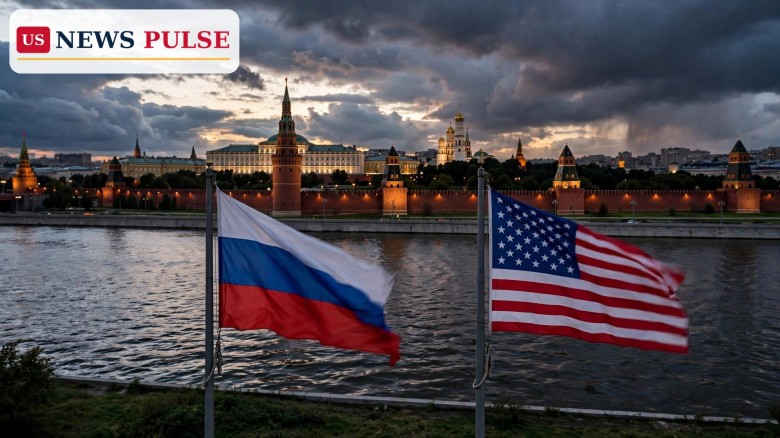
MOSCOW — Russian President Vladimir Putin rejects key parts of the US peace plan for Ukraine, saying some of its points are impossible for Moscow to accept, in comments that cast fresh doubt over the latest American push to end it. Putin spoke in an interview with India Today TV, excerpts of which were released by Tass and RIA Novosti ahead of his visit to New Delhi, after five hours of talks in the Kremlin with US special envoy Steve Witkoff and Jared Kushner.
Key Points
- Putin said several elements of the US proposal are unacceptable to Moscow, while other provisions remain open to discussion.
- According to AP, the points he cannot accept include requirements for Russia to withdraw from occupied Ukrainian territory.
- Putin described his five-hour Kremlin talks on Tuesday with Witkoff and Kushner as “necessary”, “useful” and “difficult”, saying both sides “had to go through each point” of the plan.
- President Donald Trump said Wednesday his envoys left Moscow convinced Putin genuinely wants a settlement: “Their impression was very strongly that he’d like to make a deal.”
- Witkoff and Kushner were due to meet Ukraine’s chief negotiator, Rustem Umerov, in Miami later on Thursday, ahead of trilateral talks in Abu Dhabi on November 10-11.
What Happened
Putin’s remarks were published ahead of his trip to India, in an interview with India Today TV whose excerpts were carried by Tass and RIA Novosti. It was his first public comment on the plan since Witkoff and Kushner spent five hours with him in the Kremlin on Tuesday, working through it point by point.
The Russian leader said Moscow is prepared to discuss certain provisions, but drew a clear line at others. “Others we can’t agree to,” he said, without naming them. He declined to say which points were acceptable, calling it “premature”.
The fighting did not pause for the diplomacy. Overnight, a missile strike in Kryvyi Rih injured six people, including a 3-year-old girl; a 6-year-old girl died in Kherson after artillery fire; drone strikes in Odesa wounded six more. Ukraine reported two ballistic missiles and 138 drones launched overnight.
Background and Context
The American plan is the Trump administration’s latest attempt to end a war now in its fifth year, and the push has moved fast. Witkoff and Kushner have shuttled between Washington, Moscow and Kyiv, and trilateral talks are set for Abu Dhabi on November 10-11.
Territory has been the hardest question in every round of talks. Russia occupies large areas of eastern and southern Ukraine; Kyiv insists on full restoration of its territory, while Moscow demands its gains be recognised. The same divide stalled earlier ceasefire efforts and is now the central obstacle to the plan.
Trump has been publicly optimistic throughout, meeting Putin’s envoy Kirill Dmitriev in Washington and predicting a “big, beautiful” deal. That optimism now sits uneasily beside Putin’s public rejection of parts of the plan.
Putin Rejects US Peace Plan: The Points Moscow Cannot Accept
The clearest signal is what Putin would not say. By refusing to list the acceptable and unacceptable points, he kept Moscow’s position vague while making one thing plain: a deal requiring Russia to give back occupied land is, in his words, impossible to accept. AP reported the withdrawal demand is among the points he cannot accept.
That leaves the plan’s core bargain in doubt. If it trades territory for peace, and Moscow will not trade territory, the Abu Dhabi negotiators will need a new formula or a different kind of pressure.
The stakes reach beyond Ukraine. Former Russian president Dmitry Medvedev warned that if the European Union uses frozen Russian state assets to fund support for Ukraine, Moscow could treat it as a justification for war.
Reactions and Quotes
Trump struck an upbeat note after the Moscow talks, telling reporters his envoys returned convinced of Putin’s intentions. “Their impression was very strongly that he’d like to make a deal,” he said on Wednesday, a reading that now has to be squared with Putin’s own words.
Putin was careful to keep the door open even as he closed it partway. He called the five-hour session “necessary”, “useful” and “difficult”, and said both sides “had to go through each point” of the proposal, language that suggests Moscow is still engaged rather than walking away.
Why It Matters
A public rejection from Putin before the Abu Dhabi talks changes the shape of the week. The trilateral meeting on November 10-11 was meant to build on the Moscow session; instead, it opens with the biggest question already answered in the negative by one side.
The territory question decides whether any deal is possible. Ukraine cannot accept a settlement that cements Russia’s occupation, and Russia, by Putin’s own account, cannot accept one that reverses it. Until one side moves, the plan is a framework without an agreement at its centre.
What Happens Next
The next step is the Miami meeting between Witkoff and Kushner and Ukraine’s chief negotiator, Rustem Umerov, later on Thursday, where the Americans will carry Moscow’s message to Kyiv and hear Ukraine’s response.
Then comes Abu Dhabi on November 10-11, where Ukrainian, Russian and American officials are due to sit down together. The key question is whether the United States arrives with a revised proposal that bridges the territory gap, or whether the talks become a search for a smaller deal, such as a ceasefire along current lines.
Putin’s visit to New Delhi will also be watched: India keeps channels open to both Moscow and Washington, and any signal about Russia’s flexibility will feed straight back into the talks.
Frequently Asked Questions
What did Putin reject in the US peace plan?
Putin said several elements are unacceptable and impossible to accept. According to AP, they include requirements for Russia to withdraw from occupied Ukrainian territory. He declined to detail the rest, calling it premature.
What did Witkoff and Kushner discuss in Moscow?
The two US envoys spent five hours with Putin in the Kremlin on Tuesday, going through the plan point by point. Putin called the session necessary, useful and difficult.
What did Trump say about Putin’s intentions?
Trump said on Wednesday his envoys left Moscow convinced Putin genuinely wants a settlement. “Their impression was very strongly that he’d like to make a deal,” he said.
What happens at the Abu Dhabi talks?
Trilateral talks between Ukraine, Russia and the United States are set for Abu Dhabi on November 10-11. They were meant to build on the Moscow session, but now open with Putin’s public rejection.
What did Medvedev warn about frozen Russian assets?
Former Russian president Dmitry Medvedev warned that if the EU uses frozen Russian state assets to fund support for Ukraine, Moscow could treat it as justification for war.
Related: Ukraine-Russia peace talks set for Abu Dhabi on Nov 10-11 as US mediates • Trump meets Putin envoy Dmitriev and predicts big, beautiful Ukraine deal • Zelenskyy hopes Democratic midterm wins will bring more US aid for Ukraine
© 2026 US News Pulse. All rights reserved.
 Print
 Save