


 | Today's Date:


Voters Back Transgender Athlete Bans in Four States in the 2026 Midterms

Voters in Arizona, Colorado, Nebraska and Washington backed transgender athlete bans restricting student athletes assigned male at birth from playing on girls' and women's school sports teams in the November 3, 2026 midterm elections, giving Republicans what USA Today described as their one notable win from an otherwise sweeping Democratic night. The four results, reported on November 4, mark the most direct voter verdict yet on one of the most contested questions in American school sports.
The measures differ in scope and force. Arizona's Proposition 318 passed with about 58 to 59 percent of the vote. Nebraska's Initiative Measure 442 passed with about 67 to 68 percent and writes its ban into the state constitution. Colorado's Proposition 134 was leading 52 percent to 48 percent with about 80 percent of precincts reporting, and Washington's Initiative 638 was leading about 57 percent to 43 percent.
Key Points
- Voters in Arizona, Colorado, Nebraska and Washington backed measures restricting athletes assigned male at birth from girls' and women's school teams.
- Arizona's Proposition 318 passed with about 58 to 59 percent, expanding the state's existing ban to private schools and athletic associations.
- Nebraska's Initiative Measure 442 passed with about 67 to 68 percent, writing the ban into the state constitution for public schools and colleges.
- Colorado's Proposition 134 led 52 percent to 48 percent with about 80 percent of precincts reporting, while a separate measure on gender-transition surgery for minors also led narrowly.
- Washington's Initiative 638 led about 57 percent to 43 percent and would require a healthcare provider's statement verifying biological sex.
What Happened
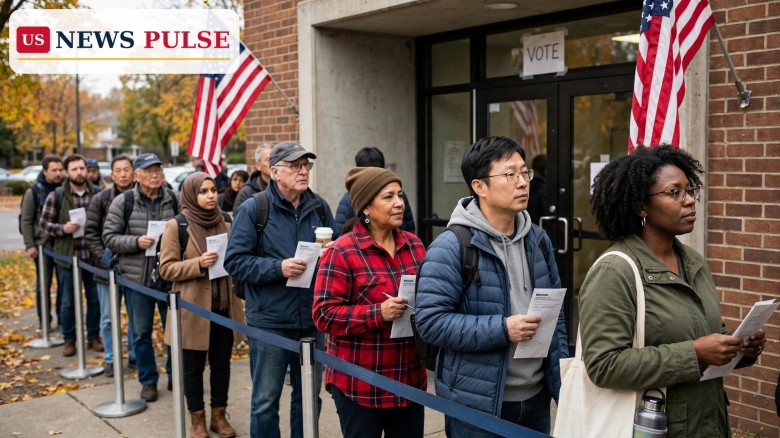
Americans voted on November 3, 2026 in midterm elections that saw Democrats win control of both chambers of Congress. Amid that Democratic wave, the four transgender-athlete measures stood out as a clear exception, passing or leading in every state where they appeared on the ballot. In all four states, voters decided the policy directly through ballot questions rather than leaving it to lawmakers alone.
Arizona and Nebraska produced decisive margins early, while Colorado and Washington took longer to resolve as counting continued into November 4. Supporters campaigned on fairness in girls' and women's sports, while opponents argued the measures would exclude transgender students from school activities and could face legal challenges.
Background and Context
The debate over transgender participation in school sports has run for years across the United States, with states taking sharply different approaches. Some have adopted laws restricting participation based on sex assigned at birth, while others have protected transgender students' right to play on teams matching their gender identity, and courts have weighed in at various points.
Before this vote, Arizona already had a Save Women's Sports Act covering public schools, but the other three states had only a patchwork of state rules and school policies. The November 3 measures therefore did more than restate existing policy: in Arizona they widened it, in Nebraska they entrenched it constitutionally, and in Colorado and Washington they created new statewide standards.
Transgender Athlete Bans: How Each State Voted
Arizona — Proposition 318. Passing with about 58 to 59 percent, Proposition 318 expands the state's existing Save Women's Sports Act ban from public schools to private schools and athletic associations. Schools must label programmes by biological sex or as coeducational by January 1, and the measure also covers bathrooms and locker rooms, closing what supporters called a gap in the original law.
Nebraska — Initiative Measure 442. Passing with about 67 to 68 percent, the strongest margin of the four, Initiative Measure 442 writes the ban into the state constitution for public schools and colleges. Constitutional status matters: unlike an ordinary statute, it cannot be reversed by a simple vote of the state legislature, making it far harder for future lawmakers to undo.
Colorado — Proposition 134. Leading 52 percent to 48 percent with about 80 percent of precincts reporting, Proposition 134 would require schools from elementary level through college to field male-only, female-only or co-educational teams defined by biological sex. A separate Colorado measure banning gender-transition surgery for minors was also narrowly leading.
Washington — Initiative 638. Leading about 57 percent to 43 percent, Initiative 638 would bar biologically male students from girls' and women's school teams and require a healthcare provider's statement verifying biological sex — one of the more detailed provisions among the four measures, and one likely to draw close attention from schools and civil-liberties groups as implementation begins.
Reactions
Supporters presented the results as a victory for fairness in girls' and women's sports, arguing that biological differences in strength and speed justify sex-based teams, particularly at competitive levels.
Opponents argued the measures exclude transgender young people from the educational and social benefits of school sports, warned that verification requirements could intrude on students' privacy, and signalled that legal challenges are likely, particularly where measures touch on constitutional rights or conflict with federal anti-discrimination rules. No court ruling on the new measures had been issued as results were reported.
Why It Matters
The results create or entrench policy in four states at once, affecting millions of students and thousands of schools, and they give the restrictions a democratic mandate that a legislative vote alone does not carry. Ballot measures are harder to dismiss as the work of one party and harder to reverse, which could embolden similar campaigns in other states. They also set up fresh legal and administrative tests over verification, facilities rules and equal-protection principles.
What Happens Next
Counting continues in Colorado and Washington, where the measures were leading but not yet finally called when results were reported on November 4. Once results are certified, the measures take effect under each state's own timetable, with Arizona's labelling requirement set for January 1, and state education agencies are expected to issue implementation guidance in the coming weeks. Legal challenges are widely expected, and the success of these four measures may encourage similar initiatives in other states in 2028.
Frequently Asked Questions
What did voters decide? Voters in Arizona, Colorado, Nebraska and Washington backed measures restricting student athletes assigned male at birth from playing on girls' and women's school sports teams.
Which measure passed by the widest margin? Nebraska's Initiative Measure 442, with about 67 to 68 percent of the vote, which also writes the ban into the state constitution.
What does Arizona's Proposition 318 do? It expands the state's existing ban from public schools to private schools and athletic associations, requires programmes to be labelled by biological sex or as coeducational by January 1, and covers bathrooms and locker rooms.
Are the Colorado and Washington results final? Both measures were leading when reported on November 4 — Colorado 52 percent to 48 percent with about 80 percent of precincts reporting, and Washington about 57 percent to 43 percent — with counting still under way.
What happens next? Results will be certified, schools will receive implementation guidance, and legal challenges are expected as the new rules take effect.
Related coverage: Transgender sports ballot measures face voters in four states on Nov 3 and 2026 midterm ballot measures: voters back abortion rights, reject Trump maps.
Leave a Comment