


 | Today's Date:





Infant Bleeding Surges 347% as More Parents Refuse Vitamin K Shots for Newborns
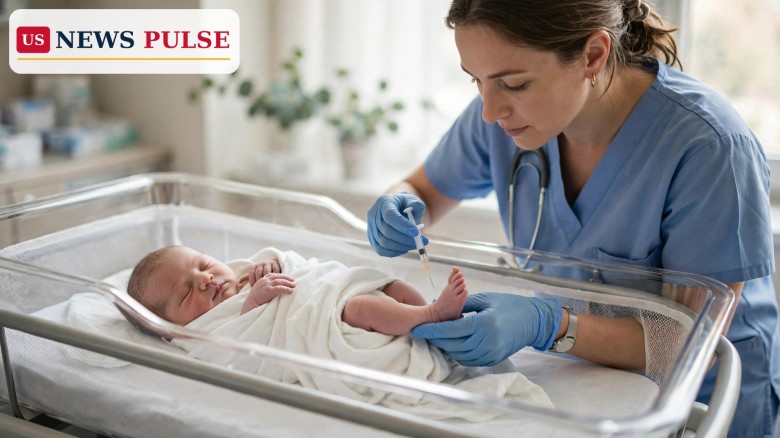
Life-threatening bleeding in American infants has surged 347% since 2017, two major studies published on Thursday found, as a growing number of parents refuse the vitamin K shot routinely given to newborns at birth. The findings, published in JAMA and JAMA Pediatrics, document a steep reversal in newborn care.
The vitamin K shot, a single injection given within hours of birth, has protected newborns against bleeding in the brain and gut since the 1960s. But refusals have more than doubled in eight years, and the bleeding it prevents is now rising fast.
Key Points
- Vitamin K deficiency bleeding rose 347% to 107.4 cases per 100,000 infants between 2017 and 2025, with 5,217 bleeding events recorded.
- Refusals of the vitamin K shot rose from 3.1% of newborns in 2017 to 6.8% in 2025, about double the 2024 rate.
- Babies who did not get the shot had a 47% higher risk of bleeding in their first six months, and their risk of a brain bleed more than doubled.
- A Truveta analysis of more than one million births found refusals jumped by more than 57% in the first half of 2026 alone.
- The CDC says babies without the shot are 81 times more likely to suffer life-threatening bleeding, and about one in five infants with serious bleeding dies.
What Happened
The JAMA Pediatrics study analysed electronic health data for more than 11 million infants born in the United States between 2017 and 2025. It found that the share of newborns not receiving the vitamin K shot doubled over that period, while vitamin K deficiency bleeding climbed 347% to 107.4 cases per 100,000 infants. In total, the researchers recorded 5,217 bleeding events, and the rate in 2025 was roughly double the rate in 2024.
The second study, published in JAMA, examined more than 5.2 million infants and reached the same conclusion. The share of newborns whose parents declined the shot rose from 3.1% in 2017 to 6.8% in 2025, up from 5.1% at the end of 2024. Babies who went without the injection faced a 47% higher risk of bleeding during their first six months, and their risk of bleeding inside the brain more than doubled.
Background: Why Newborns Need Vitamin K
Vitamin K helps blood to clot, and newborn babies are born with very little of it. Only a small amount passes through the placenta during pregnancy, and neither breast milk nor formula contains enough to protect a baby on its own. Babies also do not start producing their own vitamin K until they begin eating solid food, at around six months of age.
That gap is why the American Academy of Pediatrics has recommended since the 1960s that every infant receive a vitamin K shot within 24 hours of birth. The World Health Organization recommends it too. The injection prevents vitamin K deficiency bleeding in the first days and weeks of life, cutting the risk of bleeding inside the skull and of stroke. The shot is prophylactic, not a vaccine.
Vitamin K Shot Refusals Keep Climbing
The researchers link the rise in refusals to a wider loss of confidence in public health. One of the new studies describes parents declining the shots "against the backdrop of eroding trust in public health in the wake of the COVID-19 pandemic, increasing vaccine hesitancy, and growing parental unease about interventions in newborns". The trend has accelerated under Health Secretary Robert F. Kennedy Jr., whose long record of questioning vaccines has coincided with the sharpest rises in the data.
Reactions and Quotes
Steven Woolf, a professor of family medicine and population health at Virginia Commonwealth University and a co-author of the JAMA Pediatrics study, told the Washington Post the scale of the change was without recent precedent. "We've gone generations without seeing this kind of increase in complications," he said. "It's very disheartening to see that progress in public health rolling back."
Woolf and his co-authors warned in the study that the shot may be suffering from its own success. "As with childhood immunizations, vitamin K prophylaxis may be a victim of its own success; the rarity of vitamin K deficiency bleeding may leave today's families largely unaware of its grave consequences," they wrote.
The CDC continues to recommend the shot for every newborn. The issue has already drawn political attention: after a ProPublica investigation last May showed babies bleeding and dying after parents refused the shot, lawmakers called on the CDC to track vitamin K compliance and deaths from deficiency bleeding.
Why It Matters
The stakes are not abstract. About one in five infants who suffer serious vitamin K deficiency bleeding dies, and survivors of brain bleeds can face lasting disability. The 5,217 bleeding events counted in the JAMA Pediatrics study represent thousands of families who learned about a preventable condition only after their baby was in danger.
The findings also land in a wider moment for infant health. The Food and Drug Administration has been overhauling infant formula rules for the first time in nearly 30 years, as reported in our coverage of the FDA infant formula update, while a separate petition has pressed the agency to tighten testing after 52 babies were hospitalised, as covered in our report on the infant formula botulism testing petition.
What Happens Next
Researchers say the immediate need is better tracking. The lawmakers who pressed the CDC last year want routine public reporting of vitamin K compliance and of deaths linked to deficiency bleeding, so that future rises are spotted in months rather than years. Hospitals are being urged to make sure parents hear the risks of refusal clearly before they decide.
Parents with questions are advised to raise them with their paediatrician before delivery. The shot takes seconds and costs little. What the two new studies show is what happens when it is skipped: a rare, preventable injury returning at a speed that has surprised even the researchers who measured it.
Frequently Asked Questions
What is the vitamin K shot for newborns?
A single injection given within 24 hours of birth that supplies the vitamin K a baby needs for blood to clot, preventing deficiency bleeding in the brain and gut in the first weeks of life.
Why are more parents refusing the vitamin K shot?
Researchers link the rise to eroding trust in public health since the COVID-19 pandemic, growing vaccine hesitancy and unease about interventions in newborns. Refusals rose from 3.1% of newborns in 2017 to 6.8% in 2025.
How dangerous is vitamin K deficiency bleeding?
Very dangerous. The CDC says babies without the shot are 81 times more likely to suffer life-threatening bleeding in the brain or gut, and about one in five infants with serious bleeding dies. Their brain-bleed risk also more than doubles.
Is the vitamin K shot a vaccine?
No. It is a prophylactic vitamin injection, not a vaccine, although it is recommended by the American Academy of Pediatrics, the CDC and the World Health Organization.
What should parents do if they have concerns?
Discuss them with a paediatrician before delivery. The shot has been routine since the 1960s, and the two new studies show the bleeding it prevents has risen 347% as refusals have climbed.
Leave a Comment