


 | Today's Date:





Trump Says He Will Become 'Mr Veto' If Democrats Win Congress in Midterms
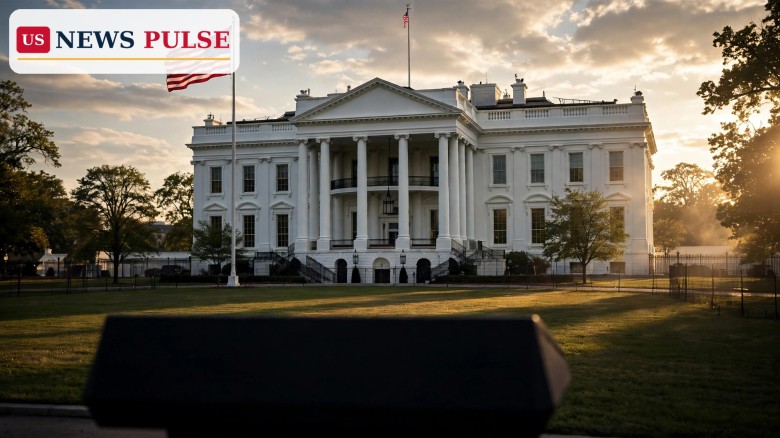
Trump Mr Veto became the defining phrase of the final day of the 2026 midterm campaign on Monday, November 2, 2026, as President Donald Trump said he would use his veto pen relentlessly if Democrats take control of Congress in Tuesday's elections. In a New York Post podcast interview released in full on Monday, Trump told host Miranda Devine: "I guess I'll become Mr. Veto. I'm not going to let them ruin it." The remark, previewed in a clip aired on Sunday on Fox News, is a rare public acknowledgement from the president that his party could lose one or both chambers, even as he insisted Republicans would still prevail.
The comment lands one day before voters decide all 435 House seats, 35 Senate seats and dozens of governorships, and hours before Trump was due to deliver his closing midterm speech at the Lincoln Memorial Reflecting Pool in Washington. It also follows months of quiet White House planning, reported by Reuters, for governing without new legislation if Democrats win — through executive orders, tariffs, visa rules and spending decisions that do not need Congress.
Key Points
- Donald Trump said he will become "Mr. Veto" if Democrats win Congress in the November 3, 2026 midterms, in a New York Post "Pod Force One" interview with Miranda Devine released in full on Monday, November 2.
- Trump said he would veto Democratic bills for a month or two until, in his words, "they come over and make a deal," and at another point said: "I'd veto everything. I'll be vetoing, vetoing."
- Reuters reported the White House has prepared since April to pursue its agenda without Congress, with deputy chief of staff Stephen Miller, budget director Russell Vought and White House counsel Will Scharf involved.
- Republicans hold narrow majorities of 218-214 in the House and 53-47 in the Senate, so Democrats need only a small net gain in each chamber to take control.
- Overriding a presidential veto requires a two-thirds vote in both chambers, a threshold a narrow Democratic majority would struggle to reach without substantial Republican support.
What Happened
The "Mr. Veto" line comes from Trump's interview with the New York Post's Miranda Devine for her podcast, "Pod Force One." A preview clip aired on Sunday on Fox News' "Sunday Morning Futures," and the full interview was released on Monday, November 2, 2026 — the day before the election. Asked how he would deal with a Democrat-controlled Congress, Trump answered: "I guess I'll become Mr. Veto. I'm not going to let them ruin it."
He then laid out the sequence he expects. "They'll be sending stuff up, you veto it," Trump said. "And eventually, after a month or two of getting all vetoed — you know, it's just waste — they come over, and you make a deal." He added that such a scenario "probably" would not be needed, saying: "I think that probably would happen, but hopefully we don't have to worry about that." In a separate passage, Trump said: "If we didn't win, I think we're going to do great, but if we didn't win, I'd veto everything. I'll be vetoing, vetoing."
The remarks echo comments Trump made on October 27 as he left Washington for a pair of Texas rallies. "We'll figure a way," he said then of working with Democrats. "Look, I have a strong veto." He added: "I hope that won't be the case. But if it is, it's happened before with many presidents. You have a strong veto and you end up working out deals."
Background and Context
The veto is one of the president's most potent tools against an opposition Congress, and Trump has used it sparingly so far in his second term — only twice, according to reports of the interview, compared with 10 vetoes in his first term. A veto sends a bill back to Congress, which can only override it with a two-thirds majority in both the House and the Senate. That bar is deliberately high, and it is why divided government in Washington so often ends in negotiation, shutdown brinkmanship or stalemate.
History offers little comfort to the president's party on the eve of this vote. Since World War II, the president's party has lost House seats in 18 of the 20 midterm elections, by an average of about 26 seats. Polls released over the final weekend pointed the same way. The New York Times poll tracker put Trump's approval at 36 percent, with 61 percent disapproving, and described it as the lowest pre-midterm standing for any president in 80 years. The Times/Siena final polls of seven battleground Senate states, conducted October 23 to November 1, found Democrats leading in five and within the margin of error in the other two, with only 38 percent of likely voters across those states approving of Trump's job performance.
Trump's closing schedule underlines how much is at stake. After a weekend blitz that included a rally in Kansas on Sunday, he was set to speak on Monday afternoon at the Reflecting Pool — a site closely associated with his drive to redevelop the capital — before voters go to the polls on Tuesday, November 3.
Trump Mr Veto: The White House Plan to Govern Without Congress
Behind the "Mr. Veto" soundbite sits a longer-running plan. Reuters reported, citing a White House official and two people familiar with the discussions, that preparations have been under way since April for pursuing the administration's agenda without fresh legislation if Democrats gain control of Congress. Trump has been briefed on the discussions and has participated in them, according to the report.
The options under examination include new tariffs on critical minerals and wind turbines, tighter visa rules for international students and temporary foreign workers, and measures addressing housing and construction costs. Federal agencies have submitted proposals and legal assessments identifying actions the administration could take without new laws. Vought, who heads the Office of Management and Budget, is reviewing which priorities can be pursued using funds already authorised by Congress, and is considering changes to federal grant rules that would give political appointees greater influence over funding decisions.
There are limits, and the White House has not announced any of these measures. A president can issue executive orders, direct federal agencies and use powers granted under existing laws, but executive action cannot replace Congress's authority to pass legislation or approve federal spending. Courts can also review executive actions and block those that exceed presidential authority. Trump's major tax and spending package, by contrast, required congressional approval before he signed it into law in July 2025.
The administration is also preparing for the other consequence of a Democratic win: investigations. White House lawyers have begun advising political appointees and agency officials on responding to congressional inquiries, subpoenas and document requests, Reuters reported, and have sought a Justice Department opinion on whether executive privilege could protect communications between Trump and private advisers from congressional scrutiny. Control of the House would let Democrats lead investigations, issue subpoenas and demand documents; a Democratic Senate could block presidential appointments, including nominations to federal courts and the Supreme Court.
Reactions and Quotes
Trump's own framing was characteristically blunt. "I guess I'll become Mr. Veto," he told Devine. "I'm not going to let them ruin it." He also warned, in a passage reported from the interview: "If we lost the House, the Senate and the presidency, our country is finished. Because these are lunatics you're dealing with." At the same time, he insisted the outcome was not settled, pointing to the size of his rally crowds: "I do that based on the rallies. The rallies are as big as they've ever been."
The White House pushed back on any suggestion that defeat is assumed. Spokeswoman Lauren Bis rejected suggestions that Republican electoral losses were inevitable and said the administration would continue pursuing its policy priorities. Republican strategists, meanwhile, have said their private data paints a more competitive Senate picture than public polls, with many key races still toss-ups or within reach.
Democrats, for their part, enter the final day expecting to win at least partial control of Congress, according to election-eve reporting, and have campaigned heavily on the cost of living, health care and the war with Iran — issues on which the final Times/Siena polling found voters trusted Democrats more than Republicans.
Why It Matters
The "Mr. Veto" promise matters because it previews the governing model for Trump's final two years if Tuesday goes against him. A president facing an opposition Congress still holds the veto, the executive order and the bully pulpit, but loses the ability to pass new laws on his own terms. That combination — vetoes plus unilateral executive action — is a recipe for grinding confrontation, punctuated by negotiated deals on must-pass bills such as government funding.
It also matters for what Democrats could and could not do with a narrow majority. Even if they win the House, they would not command the two-thirds needed to override vetoes, so their most immediate powers would be oversight, subpoenas and the ability to block Republican legislation — not to enact their own programme over Trump's objections. In the Senate, a Democratic majority could slow or stop confirmations, reshaping the courts and the administration for years.
Finally, the episode reveals the White House's own expectations. Months of contingency planning, legal advice on subpoenas and executive privilege, and a public "Mr. Veto" warning all suggest an administration that is preparing seriously for divided government, even while its public message remains that Republicans will win.
What Happens Next
First, Tuesday's vote. Polls close across the country on November 3, and control of the House and Senate may not be known on election night if close races take days to count. Second, Trump's closing speech at the Reflecting Pool on Monday afternoon, his final pitch before voting begins. Third, the first test of the "Mr. Veto" strategy: if Democrats win, the new Congress convenes in January, and the first bills, subpoenas and funding deadlines will show quickly whether vetoes lead to deals — as Trump predicts — or to stalemate.
Watch also for the executive actions Reuters described. Any new tariffs, visa rules or grant changes taken without Congress would almost certainly face legal challenges, and the courts' response would define how far the "govern without Congress" plan can actually go.
Frequently Asked Questions
What did Trump mean by "Mr. Veto"?
Trump said that if Democrats win Congress in the November 3, 2026 midterms, he would veto the bills they send him — "vetoing, vetoing" — until, after a month or two, they come to negotiate deals with him.
When did Trump make the "Mr. Veto" comments?
He made them in an interview with the New York Post's Miranda Devine for her "Pod Force One" podcast. A clip aired on Sunday on Fox News, and the full interview was released on Monday, November 2, 2026.
Can Congress override a presidential veto?
Yes, but only with a two-thirds vote in both the House and the Senate — a high bar that a narrow Democratic majority would be unlikely to clear without substantial Republican support.
What is the White House planning if Democrats win?
According to Reuters, the White House has prepared since April to use executive orders and existing legal powers — including possible tariffs on critical minerals and wind turbines, tighter visa rules and housing measures — while preparing for Democratic investigations and subpoenas.
How many times has Trump used the veto?
Trump has used his veto power only twice during his second term so far, according to reports of the interview, compared with 10 vetoes in his first term.
Related coverage on US News Pulse:
Leave a Comment