


 | Today's Date:


Trump Speaks to Qatar Emir Tamim as Gulf Fears New US Strikes on Iran

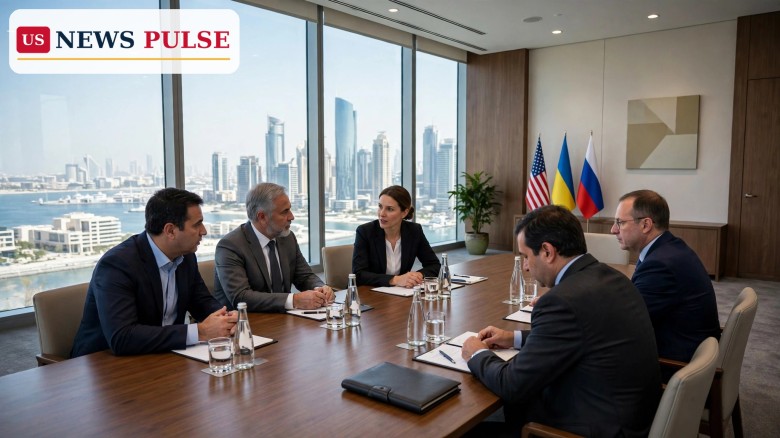
President Donald Trump spoke by telephone on Friday, November 6, 2026, with Qatar's Emir Sheikh Tamim bin Hamad Al Thani, as Gulf states watched anxiously for signs of whether the United States would resume strikes on Iran or give diplomacy more time. The Trump Qatar emir call, initiated by the US president according to Qatar's state news agency, came at a delicate moment: Tehran has sent Washington a nuclear proposal through Doha, and the White House is still reviewing it while warning that military action remains on the table.
Key Points
- President Donald Trump initiated Friday's phone call with Qatar's Emir Sheikh Tamim bin Hamad Al Thani, Qatar's Amiri Diwan confirmed.
- The emir urged continued dialogue, no further escalation, and protection of navigation in the Strait of Hormuz and energy supplies.
- The call came as Tehran's nuclear proposal, sent to Washington through Qatar on Thursday, sits with the White House for review.
- Iran says formal talks cannot start until the US meets seven demands, including sanctions relief and war reparations.
- Trump has warned he may have to "destroy the rest" of Iran if no deal is reached, while Vice President JD Vance says talks are making progress and no deadline has been set.
What Happened
Qatar News Agency reported that the emir received the call from Trump on Friday and that the two leaders reviewed the strategic relations between the two countries and ways to strengthen them. They also discussed the latest regional developments, "particularly the ongoing diplomatic efforts aimed at de-escalating tensions in the region", and the initiatives led by Qatar "to bridge the gaps between the concerned parties and support the negotiation process".
The emir, the statement said, "emphasized the importance of continuing dialogue and embracing diplomacy as a means of resolving disputes; preventing further escalation in the region; and safeguarding freedom of maritime navigation and the security of energy supplies". The conversation came as Gulf states feared a possible resumption of US strikes on Iran, days after Trump warned he may have to "destroy the rest" of Iran and a second US aircraft carrier, the USS Gerald R. Ford, headed for the Middle East.
Background: A War in Its Ninth Month
The United States and Iran have been at war since February 28, 2026, when Washington opened a bombing campaign against Iranian nuclear and military targets.
Earlier this week, Vice President JD Vance said Washington had made "progress" in talks with Iran and that he and Trump "both feel pretty good about the prospects for potentially coming to a negotiated settlement". Asked whether Iran had been given a deadline before strikes resume, Vance said the United States has "no strict deadline" and wants a firm, verifiable commitment that Iran will not rebuild its nuclear programme. Trump said on Monday that a deal was "coming together very nicely". On Thursday, a senior Iranian official told Reuters that Tehran had sent a nuclear proposal to Washington through Qatar.
Trump Qatar Emir Call Puts Doha's Mediation Role in Focus
Qatar has become the indispensable channel between Washington and Tehran. The small Gulf state hosts the largest US military base in the region at Al Udeid, maintains open lines to Iran, and has brokered prisoner exchanges, ceasefires and energy deals across the Middle East for more than a decade. When direct contact between the two enemies is impossible, messages travel through Doha.
That role has grown more important, and more exposed, as the war has dragged on. Qatari mediators have been shuttling between the parties this week, and the emir's emphasis on freedom of navigation and energy supplies spoke directly to the Gulf's deepest fear: that a breakdown in talks could close the Strait of Hormuz, through which roughly a fifth of the world's seaborne oil passes, and send energy prices soaring.
Reactions and Quotes
The Qatari statement carried the emir's message in plain terms: dialogue and diplomacy must continue, further escalation must be prevented, and maritime navigation and energy supplies must be safeguarded.
Trump's own recent words have cut both ways. On Monday he said a deal was "coming together very nicely", but he has also warned that he may have to "destroy the rest" of Iran. Vance tried to steady the message, saying the administration has had "a number of good conversations with the Iranians". Rezaei called the changed American tone a good sign, but the Iranian official who disclosed the nuclear proposal made clear that Tehran will not sit down formally until its seven demands are addressed.
Why It Matters
The stakes go well beyond one phone conversation. The Strait of Hormuz is the world's most important oil chokepoint, and any disruption there would hit fuel prices, shipping and global markets within hours. Qatar, Saudi Arabia, the United Arab Emirates and other Gulf producers all depend on the strait.
The call also tests whether the current diplomatic opening is real. A nuclear proposal is now on the table in Washington, Qatari mediators are actively shuttling, and both Trump and Vance have spoken publicly about progress. But Iran's seven demands, including reparations for a war it blames on the United States, are far from what Washington has so far offered, and the gap between the two sides remains wide.
What Happens Next
The immediate question is what Washington does with Tehran's nuclear proposal. The White House is reviewing the document, and no timetable has been given for a response. Qatari mediators are expected to continue shuttling between the parties. If the review produces a counter-offer, formal talks could begin quickly; if Washington rejects the terms outright, the risk of renewed strikes will rise sharply.
Frequently Asked Questions
What did Trump and the Qatar emir discuss? They reviewed US-Qatari relations and Qatar's mediation efforts to end the US-Iran war, with the emir stressing dialogue, no further escalation, freedom of navigation in the Strait of Hormuz and energy security.
Who initiated the call? Qatar News Agency says President Trump initiated the call with Emir Sheikh Tamim bin Hamad Al Thani on Friday, November 6, 2026.
What is Iran's nuclear proposal? A senior Iranian official told Reuters on Thursday that Tehran sent a nuclear proposal to Washington through Qatar. Washington is reviewing it, but Tehran says formal talks will not start until the US meets seven demands, including sanctions relief, the release of frozen assets and war reparations.
Has the US set a deadline for Iran? No. Vice President JD Vance said on Monday that the United States has "no strict deadline" for a deal before strikes resume, while Washington wants a firm, verifiable commitment that Iran will not rebuild its nuclear programme.
Why does the Strait of Hormuz matter? Roughly a fifth of the world's seaborne oil passes through the strait, so any closure or attack there would push up energy prices and disrupt global shipping. Protecting navigation there was central to the emir's message.
Read more: Vance Says US-Iran Talks Are Making Progress With No Deadline for a Deal, Trump Warns He May Have to 'Destroy the Rest' of Iran as War Decision Nears, and Rezaei Meets Putin in Moscow With Khamenei Letter as Iran Sets Seven Conditions for Talks.
Leave a Comment