


 | Today's Date:

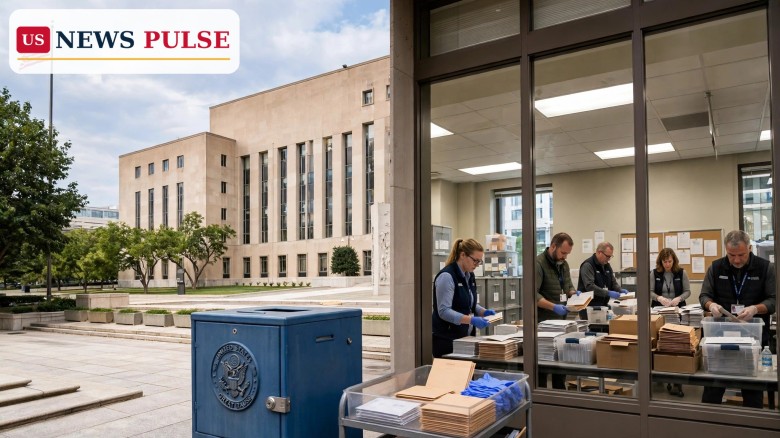



US Loans 300,000 Barrels From Northeast Heating Oil Reserve Ahead of Winter
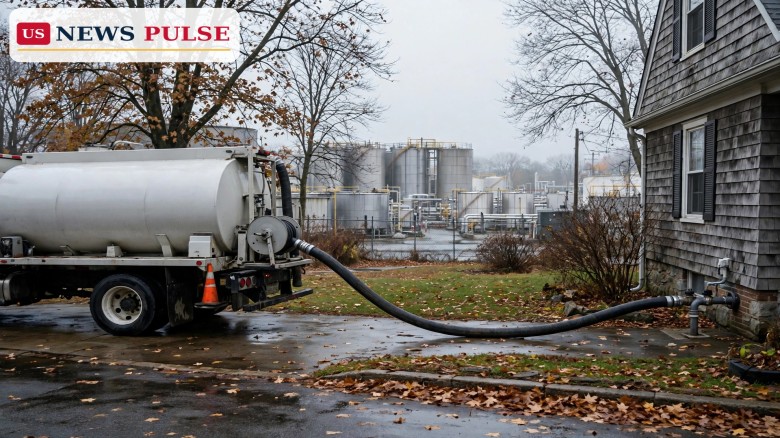
The United States has moved to loan 300,000 barrels of fuel from the Northeast heating oil reserve to four companies, in a rare release from an emergency stockpile that has been tapped only once since Hurricane Sandy in 2012. The Energy Department announced the contract awards on Wednesday, November 4, 2026, following a request for proposals issued on October 21, as the Northeast heads into winter with diesel prices at record levels and supply chains disrupted by the war with Iran.
The fuel, ultra-low sulfur distillate, will be supplied from storage sites in Boston, Massachusetts, and New Haven, Connecticut, with transfers or deliveries scheduled to be completed by November 6. Reuters reported that the recipients are Global Companies LLC, Sprague Operating Resources LLC, Trafigura Trading LLC and Vitol Inc. Together, the 300,000 barrels amount to nearly a third of the one-million-barrel reserve, a scale that underlines how seriously officials view the supply squeeze facing households that still depend on heating oil.
Under the exchange contracts, the companies must return the same volume of fuel, plus a premium, so that the reserve is refilled ahead of the 2027-2028 heating season. The arrangement is therefore a loan, not a sale: it is designed to ease a short-term shortage without permanently depleting an emergency stockpile that exists precisely for moments when normal supplies cannot reach the region.
Key Points
- The Energy Department has awarded contracts to loan 300,000 barrels from the Northeast Home Heating Oil Reserve, nearly a third of its one-million-barrel stockpile.
- The recipients are Global Companies, Sprague Operating Resources, Trafigura Trading and Vitol, according to Reuters.
- Fuel will come from Boston, Massachusetts, and New Haven, Connecticut, with deliveries due to be completed by November 6, 2026.
- Recipients must return the same volume plus a premium, refilling the reserve ahead of the 2027-2028 heating season.
- The release follows bipartisan Senate pressure as diesel prices passed $6.50 a gallon, driven by Middle East energy disruption linked to the Iran war.
What Happened
The contract awards mark the second stage of a process that began on October 21, when the Energy Department invited bids for an exchange of fuel from the Northeast Home Heating Oil Reserve, known as NEHHOR. Wednesday's announcement confirms which companies will receive the fuel and sets a tight timetable for delivery, with the transfers to be completed within days rather than weeks.
Background and Context
The Northeast Home Heating Oil Reserve was created to protect the region against exactly this kind of disruption. Unlike the much larger Strategic Petroleum Reserve, which holds crude oil for national emergencies, NEHHOR holds refined heating oil in the Northeast itself, so it can be released quickly when storms, shipping problems or market shocks interrupt supplies to a region that is heavily dependent on the fuel.
About one-third of homes in New England use heating oil, and the share is about half in Maine, far higher than in most of the rest of the country. That dependence is a legacy of the region's housing stock and its distance from the refining and pipeline networks that serve much of the United States. When supplies tighten, New England feels it first and hardest.
The immediate trigger is price. Diesel prices have hit records above $6.50 a gallon, according to the reporting on the awards, as disruption to Middle East energy supplies linked to the war with Iran reverberates through global fuel markets. Diesel and heating oil are closely related refined products, so pressure on diesel ripples directly into the heating oil market, raising costs for households and for the distributors who supply them.
Northeast Heating Oil Reserve Release: Why the Loan Structure Matters
The choice of an exchange, rather than an outright sale, is central to how the reserve is meant to work. By requiring recipients to return the same volume plus a premium, the department aims to relieve the present shortage while ensuring the stockpile is whole again before the following winter. The premium also compensates the government for the use of a public emergency asset.
Reactions and Quotes
Energy Department Under Secretary Kyle Haustveit said the actions will help address supply chain disruptions and ensure Americans in the Northeast stay warm while protecting the reserve's long-term readiness. The statement frames the release as both a humanitarian and a practical measure: keeping homes heated this winter without sacrificing the emergency capacity that may be needed again.
The awards follow bipartisan pressure from the Senate, where lawmakers from both parties urged action as diesel prices climbed to record levels. That cross-party backing is notable in a period of sharp political division, and it reflects the breadth of the concern: heating costs are a household issue that cuts across party lines in the Northeast, where winter fuel bills are a major annual expense.
Why It Matters
For households, the release is about the cost and reliability of staying warm. Heating oil is not an optional purchase in a New England winter; it is the difference between a heated home and a cold one. When prices spike, families may delay fills, lower thermostats or cut back on other essentials, and low-income households and older residents face the greatest risk.
For the wider economy, the move illustrates how a distant conflict can reach directly into American homes. Disruption to Middle East energy supplies has pushed up diesel prices, which in turn has tightened the market for the closely related heating oil that millions of Northeasterners rely on. A regional emergency stockpile is now being used to cushion that global shock at the local level.
Related coverage on US News Pulse includes the political fallout from the midterms, with JD Vance blaming the Iran war for Republican midterm losses, and the wider business picture, including AMD's $1.07 billion charge as chip warrants begin to bite and Fal's $1.3 billion funding round doubling its valuation to $16 billion.
What Happens Next
The immediate next step is delivery. Transfers from Boston and New Haven are scheduled to be completed by November 6, and distributors will then move the fuel into the regional market. Observers will watch whether retail heating oil prices ease, and whether deliveries reach the communities where shortages have been most acute.
Frequently Asked Questions
What is the Northeast Home Heating Oil Reserve? It is a one-million-barrel emergency stockpile of ultra-low sulfur heating oil held in the Northeast, designed to be released quickly when supplies to the region are disrupted.
How much fuel is being released? The Energy Department has awarded contracts to loan 300,000 barrels, nearly a third of the reserve, to four companies.
Which companies are receiving the fuel? Global Companies LLC, Sprague Operating Resources LLC, Trafigura Trading LLC and Vitol Inc, according to Reuters.
Do the companies have to give the fuel back? Yes. Under the exchange contracts they must return the same volume plus a premium, so the reserve is refilled ahead of the 2027-2028 heating season.
When will deliveries be completed? Transfers or deliveries from Boston, Massachusetts, and New Haven, Connecticut, are scheduled to be completed by November 6, 2026.
Leave a Comment