


 | Today's Date:


World Court to Rule on Rohingya Genocide Case Against Myanmar on November 19
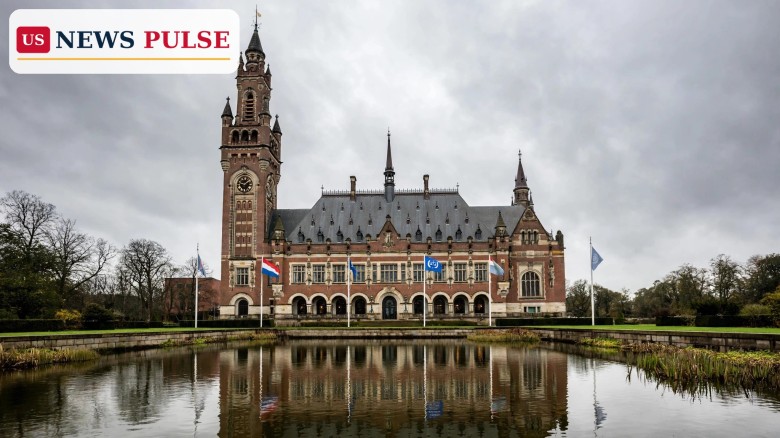
The International Court of Justice will deliver its long-awaited judgment in the Rohingya genocide case against Myanmar on November 19, 2026, the court announced on Tuesday, November 3, closing a legal battle that has run for seven years and could reshape how the world judges mass atrocities. Judges at the Peace Palace in The Hague will begin reading out their ruling at 8:00 GMT on November 19, deciding whether Myanmar's 2017 military offensive against the minority Muslim Rohingya amounted to genocide. The case, brought by Gambia in 2019, is only the third genocide judgment the World Court has ever issued, and its first in more than a decade.
Key Points
- The International Court of Justice will rule on November 19, 2026, in Gambia's genocide case against Myanmar over the 2017 Rohingya offensive.
- At least 730,000 Rohingya fled to Bangladesh during the crackdown, with refugees recounting killings, mass rape and arson.
- Myanmar denies genocide, saying its operations were a legitimate counter-terrorism campaign.
- The judgment is final, with no appeal, and is expected to influence future genocide cases, including South Africa's case over Gaza.
- Human Rights Watch called the ruling a crucial moment in the Rohingya quest for justice.
What Happened
The court confirmed the date on Tuesday, November 3, 2026, setting November 19 as the day its judges will hand down a decision that survivors, governments and lawyers have awaited since Gambia filed the case in November 2019.
The case concerns events in Rakhine State in August 2017, when Myanmar's armed forces launched what they called clearance operations after attacks by Rohingya insurgents on police posts. Within weeks, hundreds of villages were burned, thousands of people were killed, and at least 730,000 Rohingya crossed into neighbouring Bangladesh, joining hundreds of thousands who had fled earlier violence.
Background and Context
The Rohingya are a predominantly Muslim ethnic minority in Buddhist-majority Myanmar, where most have been denied citizenship under a 1982 law and have long faced restrictions on movement, marriage, education and work. The United Nations has described them as one of the most persecuted minorities in the world,
The 2017 offensive followed attacks on August 25, 2017, by the Arakan Rohingya Salvation Army on security posts. A United Nations fact-finding mission later concluded that the offensive included "genocidal acts" and that Myanmar's top generals should be investigated for genocide, crimes against humanity and war crimes.
Gambia, a small West African nation, brought the case in November 2019, arguing that Myanmar had violated the 1948 Genocide Convention, to which both countries are parties. The full judgment now due will decide the central question: whether Myanmar committed genocide, or failed to prevent and punish it.
Rohingya Genocide Case: What the Court Must Decide
Under the Genocide Convention, genocide means acts committed with intent to destroy, in whole or in part, a national, ethnic, racial or religious group. The judges must decide not only whether killings, serious bodily harm and conditions calculated to bring about physical destruction occurred, but whether they were carried out with that specific genocidal intent.
Gambia has argued that the pattern of the 2017 operations — the scale of the killings, the systematic burning of villages, the sexual violence and the driving of the population across the border — can only be explained by an intent to destroy the Rohingya as a group in Rakhine State. Myanmar has denied genocide throughout, maintaining that its military was conducting a legitimate counter-terrorism campaign and that any abuses were the work of individual soldiers, not state policy.
The judgment will be final, with no right of appeal. If the court finds Myanmar responsible, it could order reparations and further measures, although enforcement would depend on the UN Security Council, where veto powers have often blocked action on Myanmar.
Reactions and Quotes
Human Rights Watch, which has documented abuses against the Rohingya for years, called the coming judgment a crucial moment in the Rohingya quest for justice, reflecting the hopes of survivors who have waited years for a verdict.
The United Nations fact-finding mission's conclusion that the 2017 offensive included "genocidal acts" has been central to the case and has been cited repeatedly in proceedings at The Hague. Myanmar, for its part, has consistently denied genocide, insisting that its operations were a legitimate counter-terrorism campaign — a position it has maintained before the court since the case began.
Why It Matters
This will be only the third genocide judgment in the history of the International Court of Justice, and its first in more than a decade. A ruling on Myanmar would therefore set a rare and powerful precedent.
Its outcome is also likely to shape future genocide cases, most notably South Africa's 2023 case accusing Israel of genocide in Gaza, a charge Israel denies.
What Happens Next
On November 19, judges will begin reading the judgment at 8:00 GMT.
After the ruling, attention will turn to compliance. Myanmar will be bound by the judgment as a matter of international law, and the case may return to the UN Security Council and the General Assembly.
Frequently Asked Questions
When will the World Court rule in the Rohingya genocide case?
The International Court of Justice will start reading its judgment on November 19, 2026, at 8:00 GMT at the Peace Palace in The Hague.
Who brought the case against Myanmar?
Gambia filed the case in 2019, arguing that Myanmar's 2017 offensive against the Rohingya violated the 1948 Genocide Convention.
How many Rohingya fled Myanmar in 2017?
At least 730,000 Rohingya fled to Bangladesh during the 2017 offensive, according to the case and UN figures.
Can Myanmar appeal the judgment?
No. Judgments of the International Court of Justice are final and without appeal, although enforcement depends on political bodies such as the UN Security Council.
Why does this ruling matter beyond Myanmar?
It is only the court's third genocide judgment and its first in over a decade, and it is expected to influence future genocide cases, including South Africa's case concerning Gaza.
Read more on US News Pulse: UN begins liquidating Western Sahara mission after 35 years, Iran says US deal is far off as Tehran threatens forceful response, and Greenland security deal approved by parliament.
Leave a Comment